

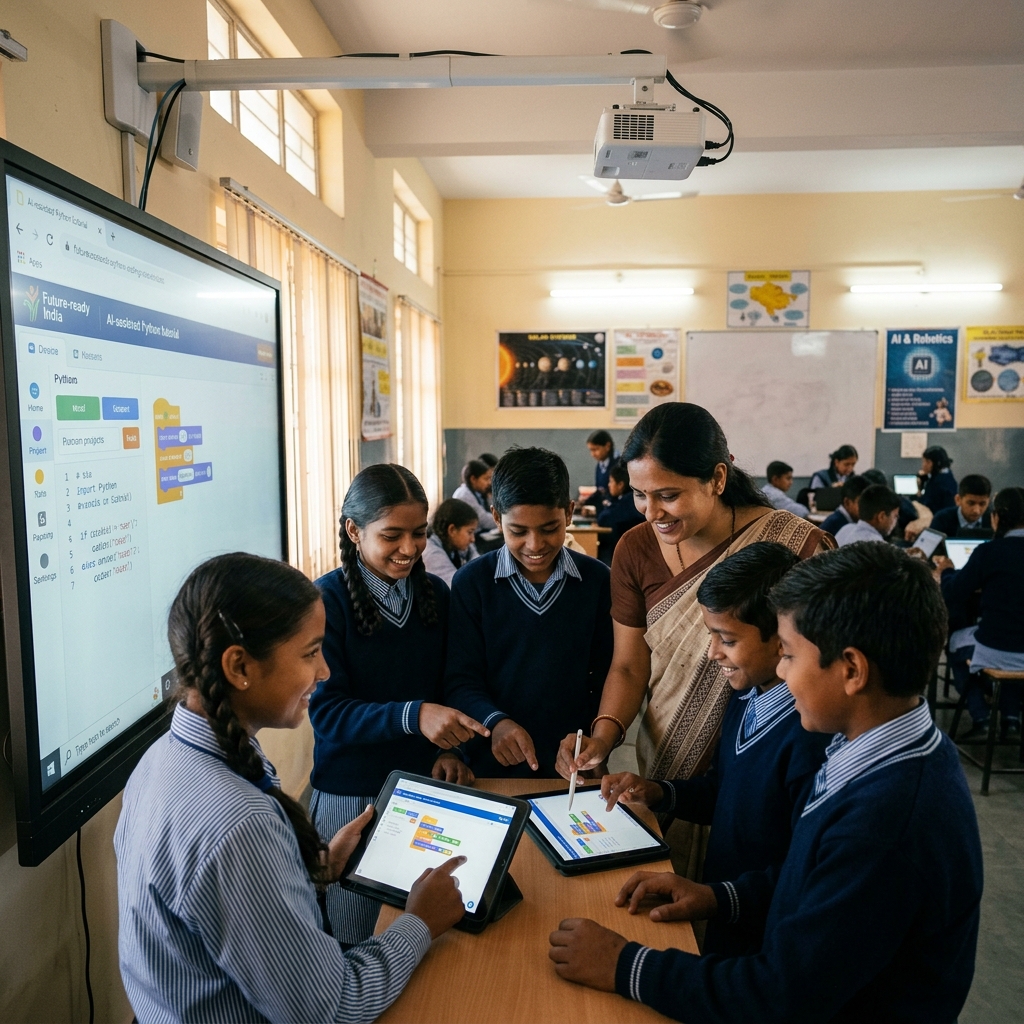
Why Skill Development Programs Fail In India
And What Rural Communities Actually Need
Training people without creating pathways to income, entrepreneurship, and markets is not skill development. It is incomplete development.
The Gap Between Training and Livelihoods
India manages massive national skilling initiatives, certifying millions of youth annually. However, formal corporate employment placement rates remain low. Traditional training programs often prepare students for entry-level metropolitan roles, resulting in high migration costs and low long-term income growth.
The total number of youth who have received certifications under national skilling missions.
The proportion of certified trainees who successfully secure and maintain formal corporate jobs.
Trainees forced to migrate to metro regions for low-wage entry-level roles due to lack of local opportunities.
Most standard skilling projects fail to create local income increases or business groups in rural blocks.
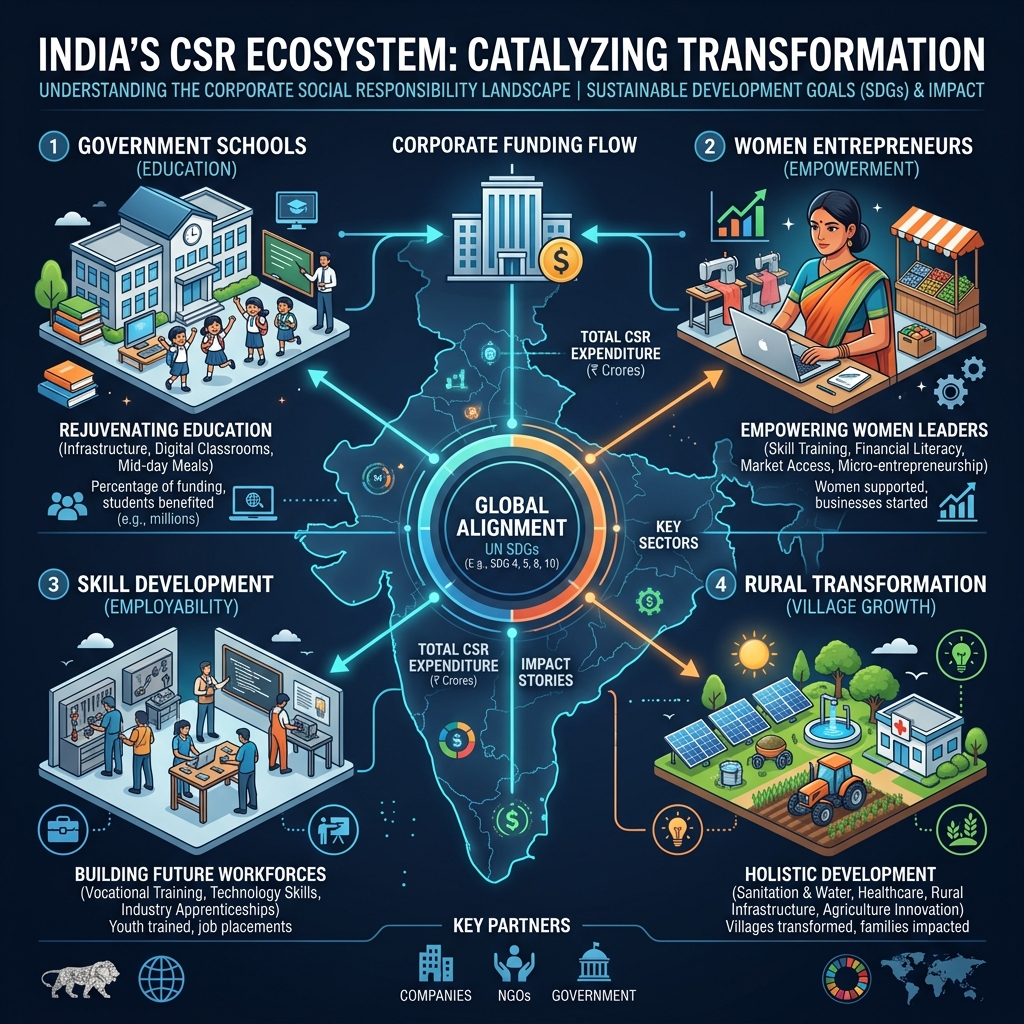
Addressing Key Failures in Vocational Training
Traditional skilling systems often operate in silos, focusing on classroom instruction while neglecting entrepreneurship pathways, financial integration, product design, branding, and direct market access.
Traditional Skilling Model
Training Without Demand
Teaching standard skills (such as basic data entry or assembly line operations) without verifying local employer requirements.
No Entrepreneurship Path
Preparing students purely for entry-level corporate jobs, neglecting business bookkeeping and marketing skilling.
No Financial Integration
Graduates are left without connections to formal bank credit or micro-loans to start their own businesses.
Short-Term Support
Programs conclude immediately after certification, leaving students without ongoing mentorship or market guidance.
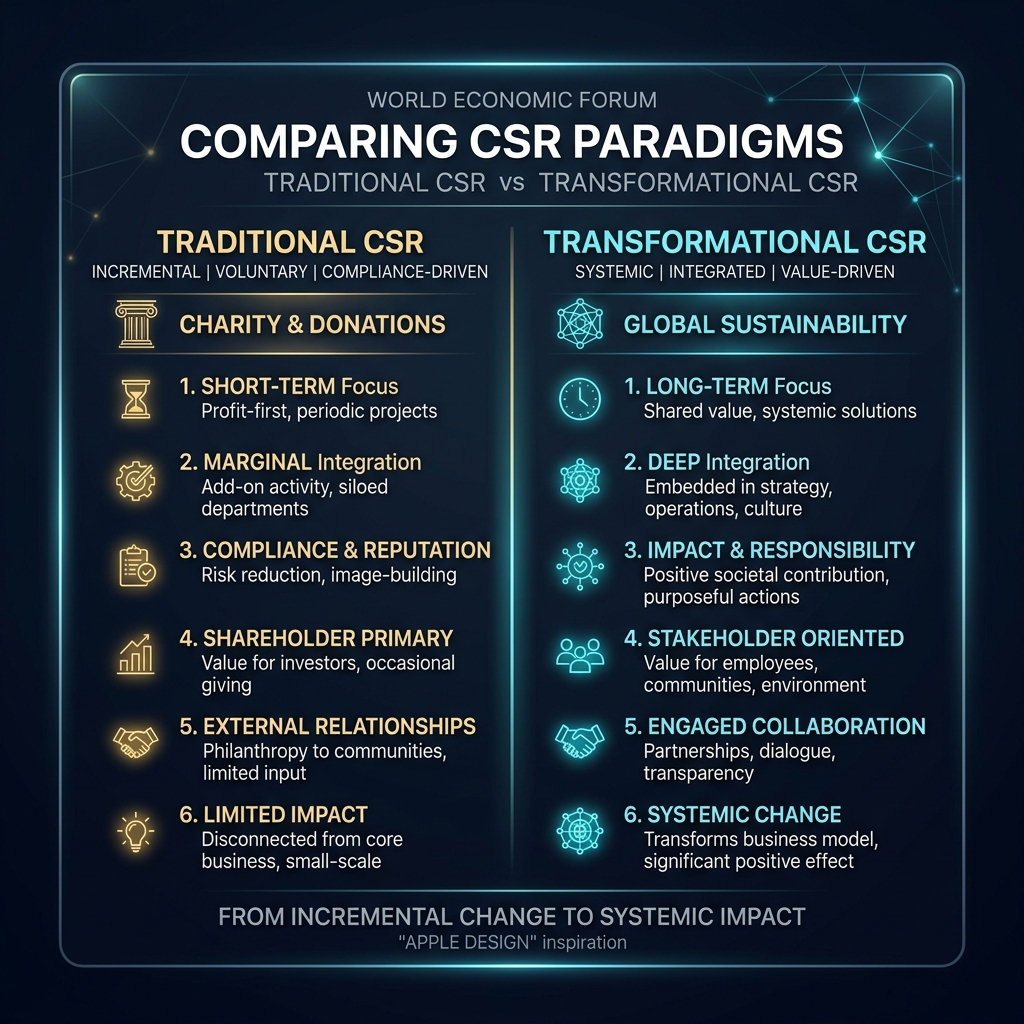
Future-Ready Skilling Model
Market-Linked Skilling
Mapping training directly onto local agricultural value chains, artisan specialities, and digital markets.
Enterprise Development
Training students in product packaging, digital bookkeeping, brand development, and e-commerce operations.
Capital & Credit Access
Connecting local cooperatives and startup groups with bank loans and CSR development funding.
Continuous Mentorship
Providing 12 months of hands-on, in-field support to ensure local businesses scale successfully.
The Livelihood Enablement Model
For skilling programs to create sustainable value, they must combine skills training with ongoing mentorship, modern digital tools, formal bank credit access, and direct marketing pipelines.
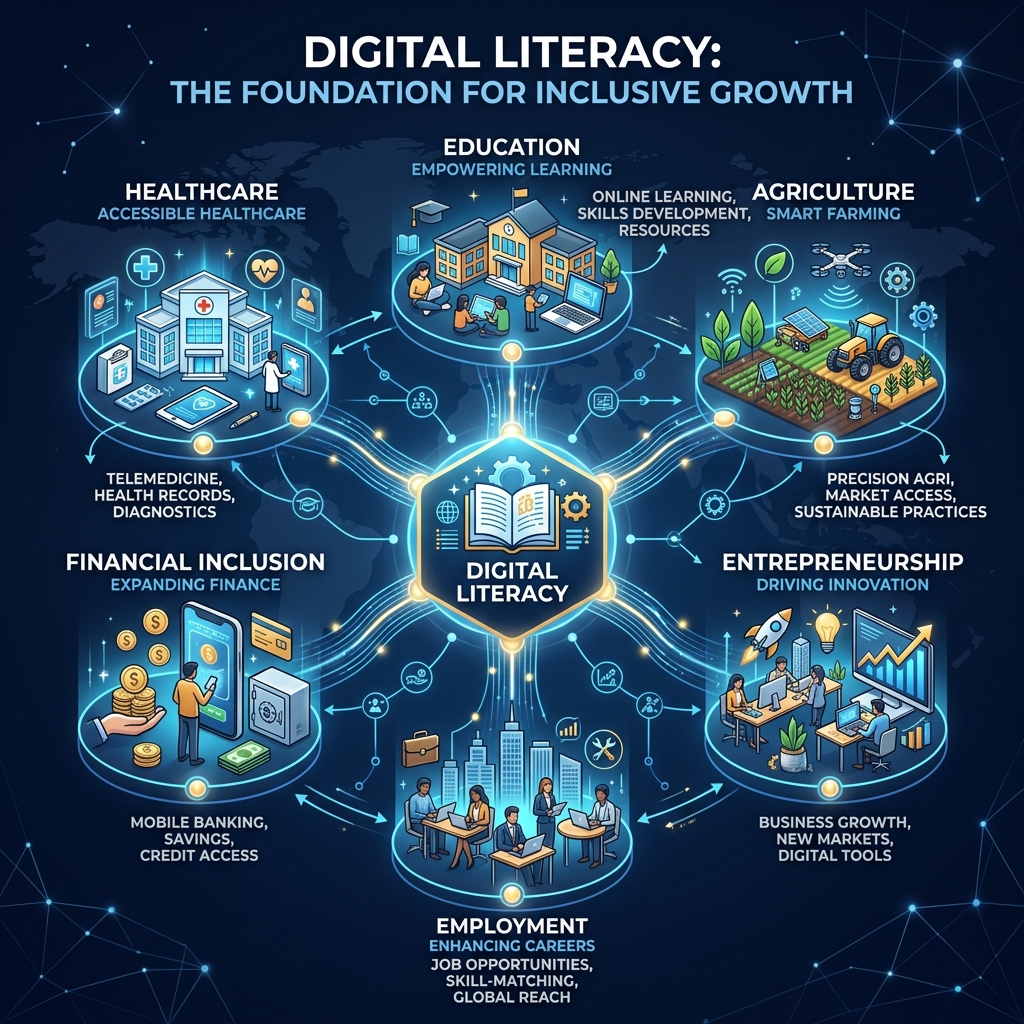
Market-Linked Skills
Aligning Skilling with Demand
Moving away from standard courses to teach capabilities tailored to regional specialties, modern packaging, and digital transactions.
Continuous Mentorship
Supporting Growth Over 12 Months
Providing in-field guidance to help local entrepreneurs troubleshoot packaging, logistics, and account bookkeeping challenges.
Modern Technology
Using Digital Devices & Solar Setups
Integrating solar-powered processing equipment, digital booking tools, and mobile e-commerce platforms into daily operations.
Formal Capital Access
Unlocking Bank Credit & CSR Funds
Helping local entrepreneur groups register formal cooperatives and compile digital transaction histories to secure bank loans.
Direct Market Access
Connecting Producers to Buyers
Linking rural artisan and agricultural groups directly with national B2B platforms, e-commerce channels, and corporate buyers.
The Evolutionary Stages of Skilling
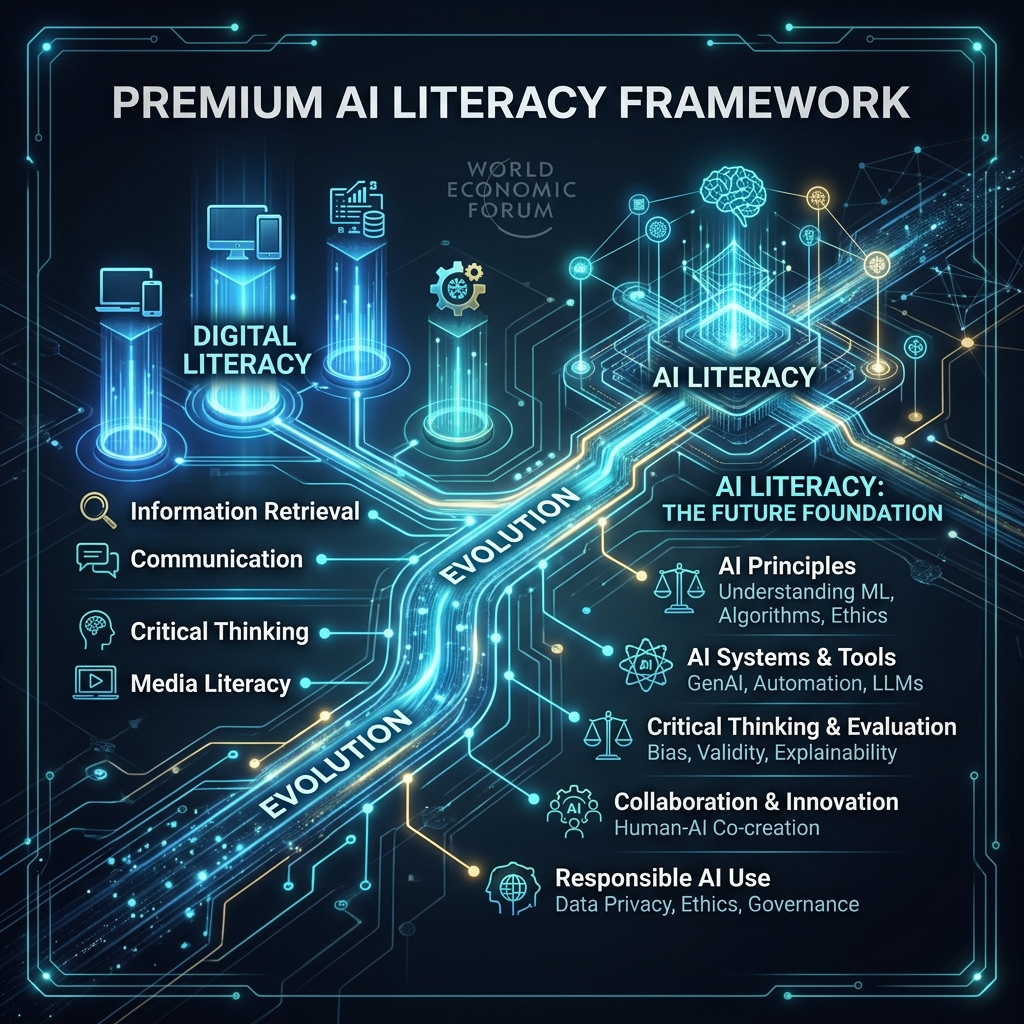
Skilling programs are transitioning from simple classroom training (Skilling 1.0) and corporate job placement (Skilling 2.0) toward supporting rural entrepreneurs (Skilling 3.0) and building community cooperative systems (Skilling 4.0).
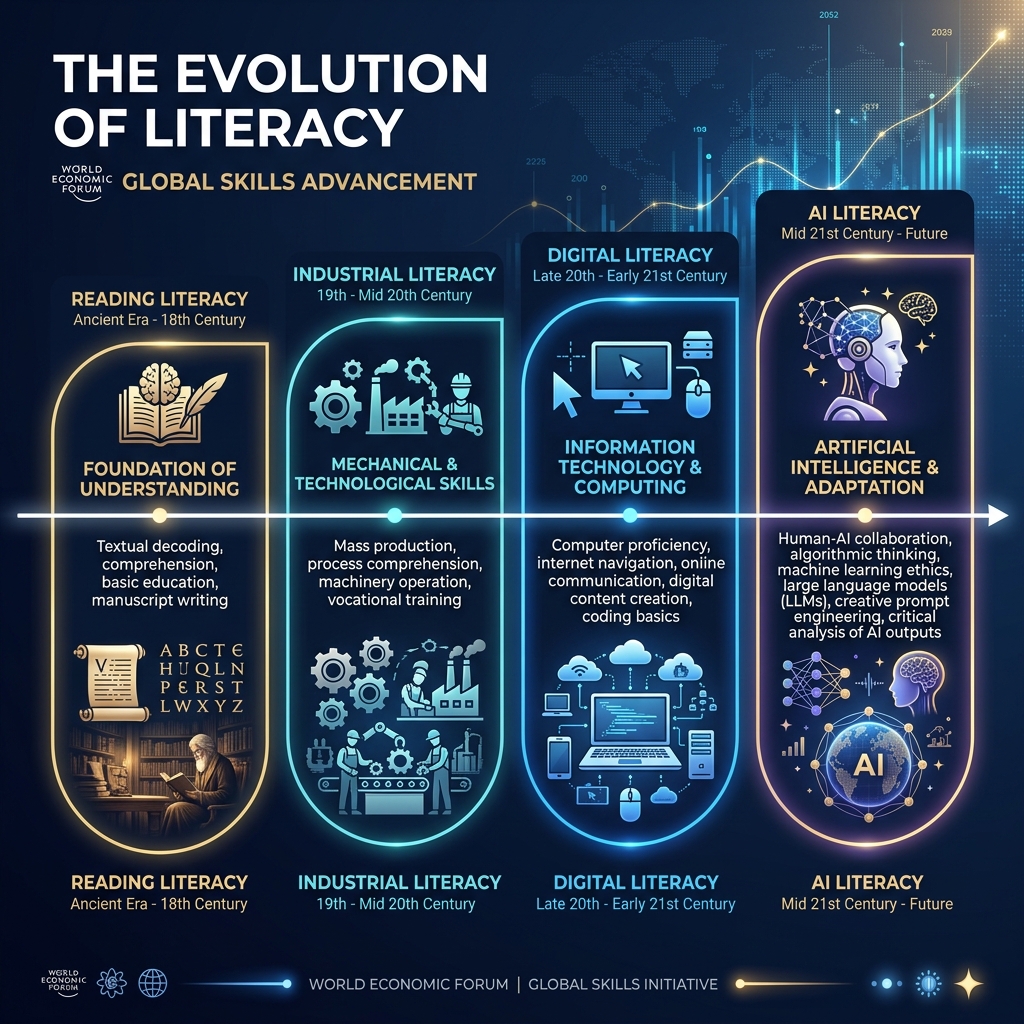
Skill Development 1.0: Classroom Training
Focus on Certifications
The initial phase centered on classroom-based instruction. Programs measured success by the number of students certified, neglecting job placement rates and actual local income increases.
Skill Development 2.0: Job Placement
Focus on Entry-Level Employment
To improve outcomes, programs aligned skilling with entry-level job placement. However, high urban migration costs and low entry-level wages often resulted in high trainee turnover rates.
Skill Development 3.0: Rural Entrepreneurship
Focus on Micro-Enterprise Creation
Skilling began supporting self-employment and micro-business development. Trainees received support to register small businesses, although lack of capital and market links limited growth.
Skill Development 4.0: Community Enterprise Ecosystems
Focus on Collective Prosperity
The modern model integrates education with local economic systems. CSR and government programs help rural groups establish regional processing units and cooperative brands, ensuring sustainable local development.
Introducing FutureReady Skills™
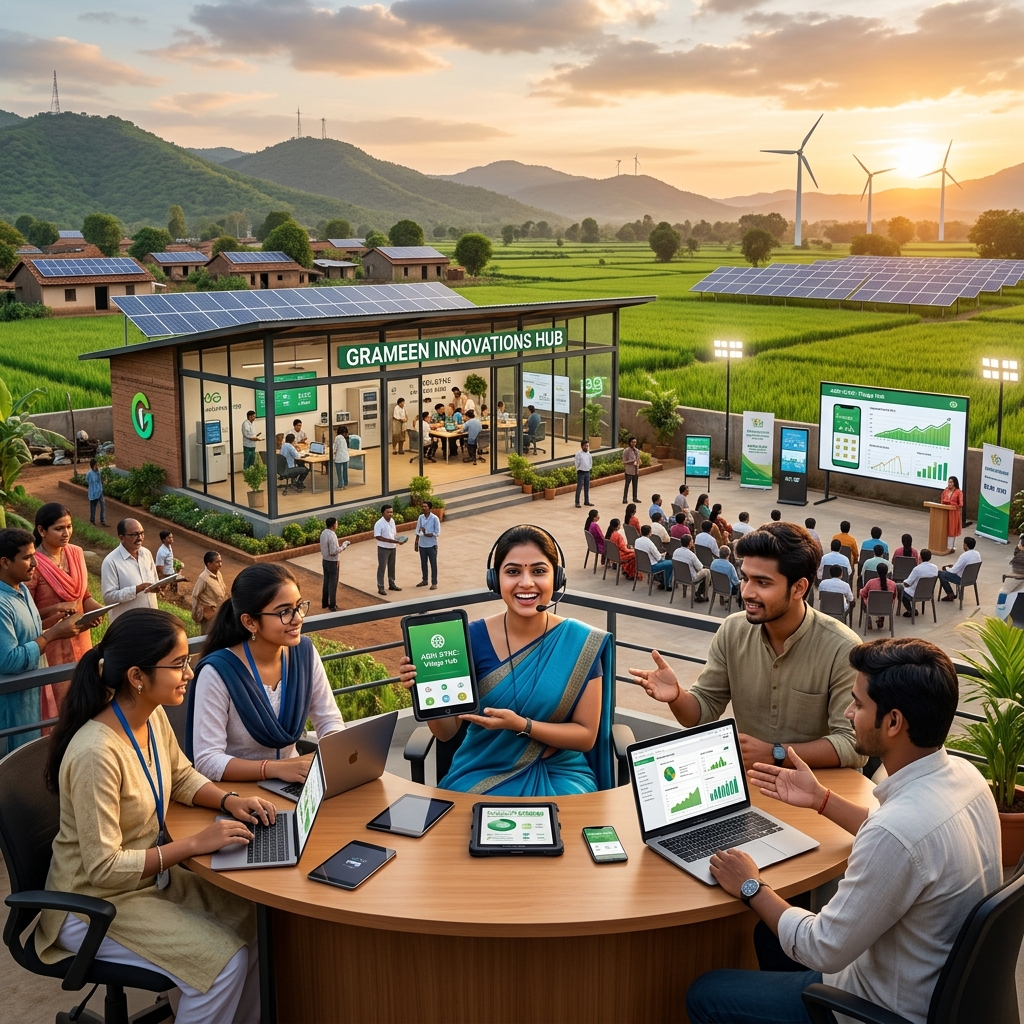
Our centerpiece model coordinates digital logic, AI training, artisan design, and agricultural value addition, providing rural communities with verified economic opportunities.
Digital & AI Literacy
Teaching coding fundamentals, prompt engineering, and database management, preparing rural youth for remote employment.
Design & Brand Modernization
Helping weaver and craft cooperatives modernize product palettes, product photography, and packaging design.
Agricultural Value Addition
Skilling farming groups to operate solar Crop Dehydrators and packaging setups, processing harvests locally.
Direct E-Commerce Marketplaces
Connecting artisan and food cooperatives directly to national retail pipelines via RajasthaniHaat.com and TalesOfSpices.com.
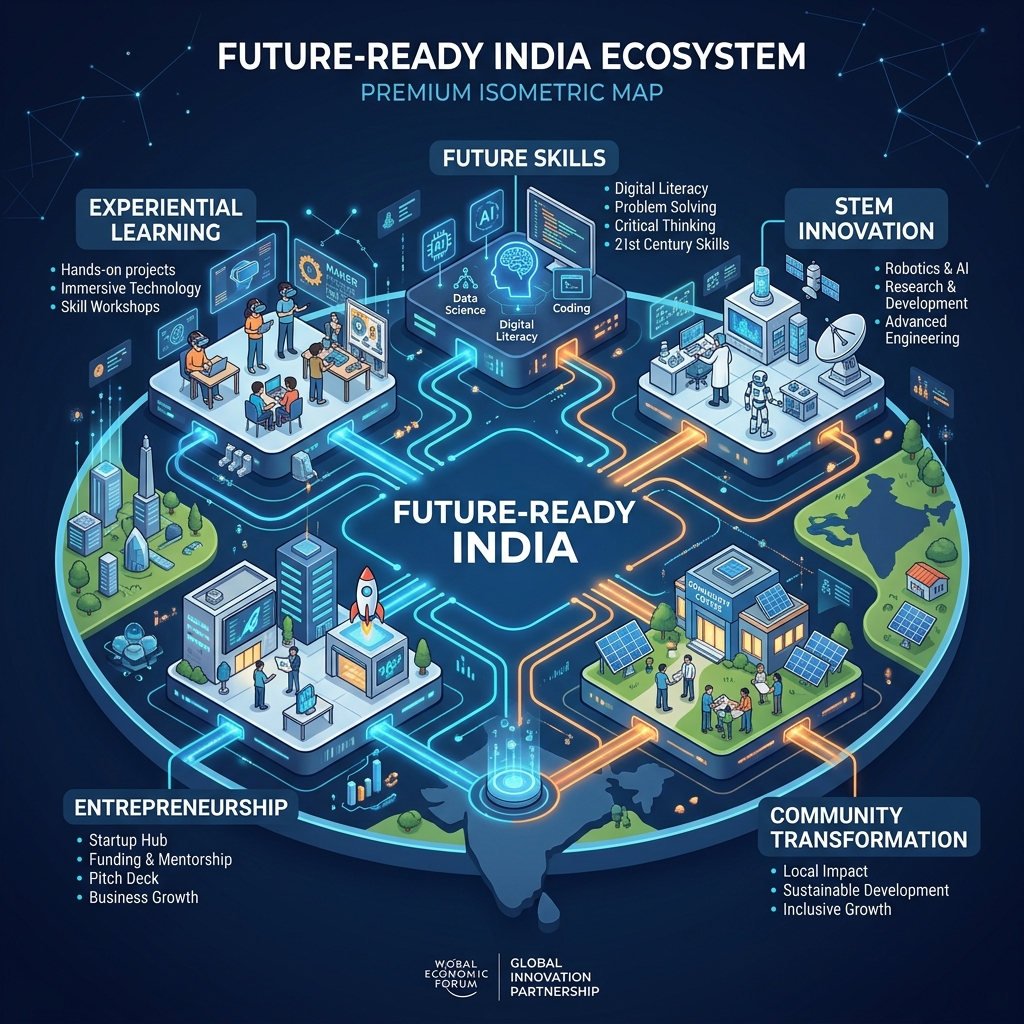
Centralized tracking connecting rural youth, artisan groups, and digital marketplaces.
Design Modernization & Digital Craft Markets
Traditional artisan clusters in Rajasthan and Odisha often face declining sales due to outdated palettes and lack of marketing. By providing design skilling, modern color stories, and e-commerce training, craft collectives can sell directly to premium channels like RajasthaniHaat.com.
Weavers in Rajasthan implementing ergonomic looms and modern color guidelines.
Transitioning Farm Collectives into Food Brands
We skill women-led self-help groups in operating community processing centers, standardizing quality, and utilizing eco-friendly packaging. Collection channels like TalesOfSpices.com and TKD.TalesOfSpices.com connect these farm brands directly with urban consumers.
Women self-help groups packaging organic spices for direct-to-consumer digital channels.
Building Female-Led Rural Businesses
Supporting women-led self-help groups with financial literacy, bookkeeping software, and mobile commerce systems allows cooperatives to operate as formal commercial businesses and qualify for bank credit.
Women cooperative managers tracking transaction histories on mobile bookkeeping interfaces.
Our Step-by-Step Implementation Flow
We coordinate student, youth, and woman entrepreneur skilling through six developmental phases, linking training directly to commercial scale.
1. Learn
Conceptual skilling & digital logic.
2. Create
Assembling prototypes and modern designs.
3. Produce
Standardizing output quality inside local units.
4. Brand
Modern packaging, logo, and brand storytelling.
5. Sell
Listing on B2B e-commerce platforms and cooperatives.
6. Scale
Compiling transaction histories to access bank loans.
State focus areas: Livelihoods & Skilling
We focus our programs in Odisha, Rajasthan, and Maharashtra, aligning our training modules with regional artisan, agricultural, and self-help group priorities.
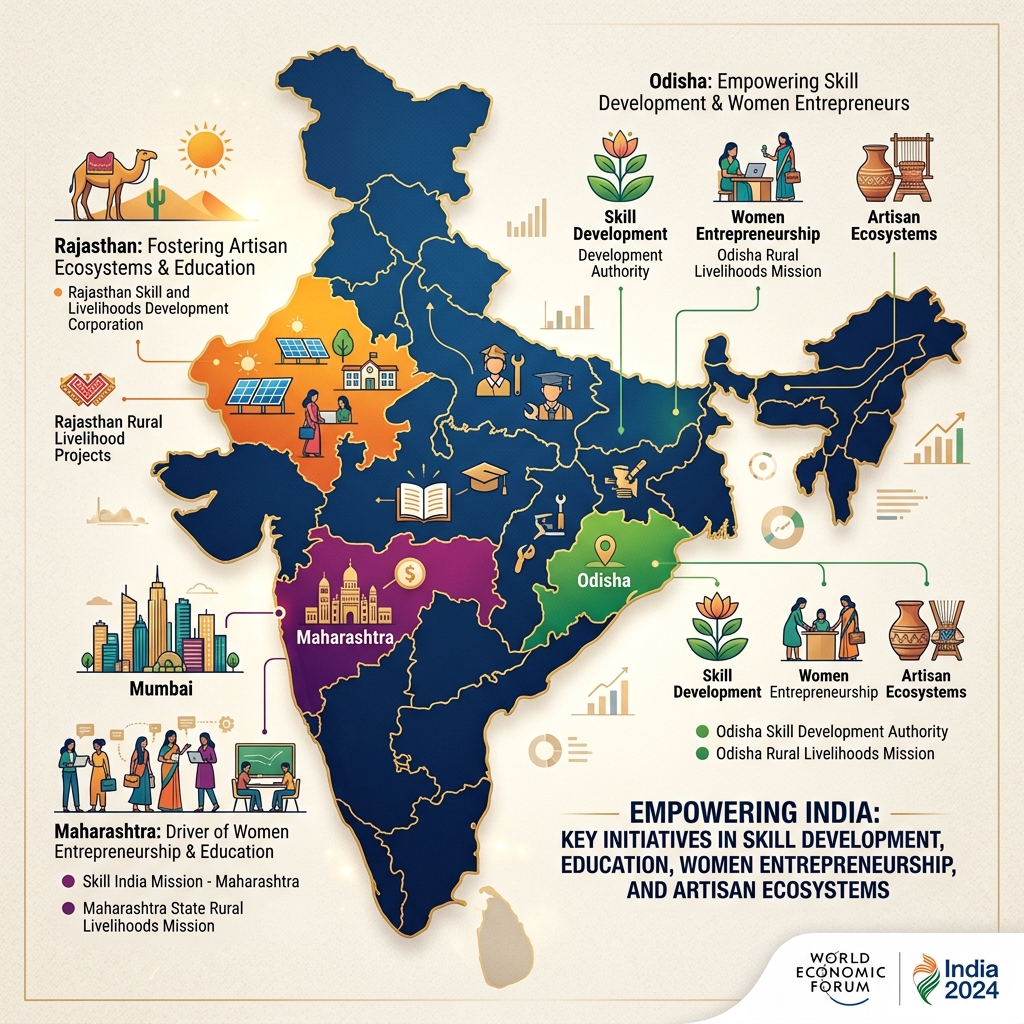
Odisha
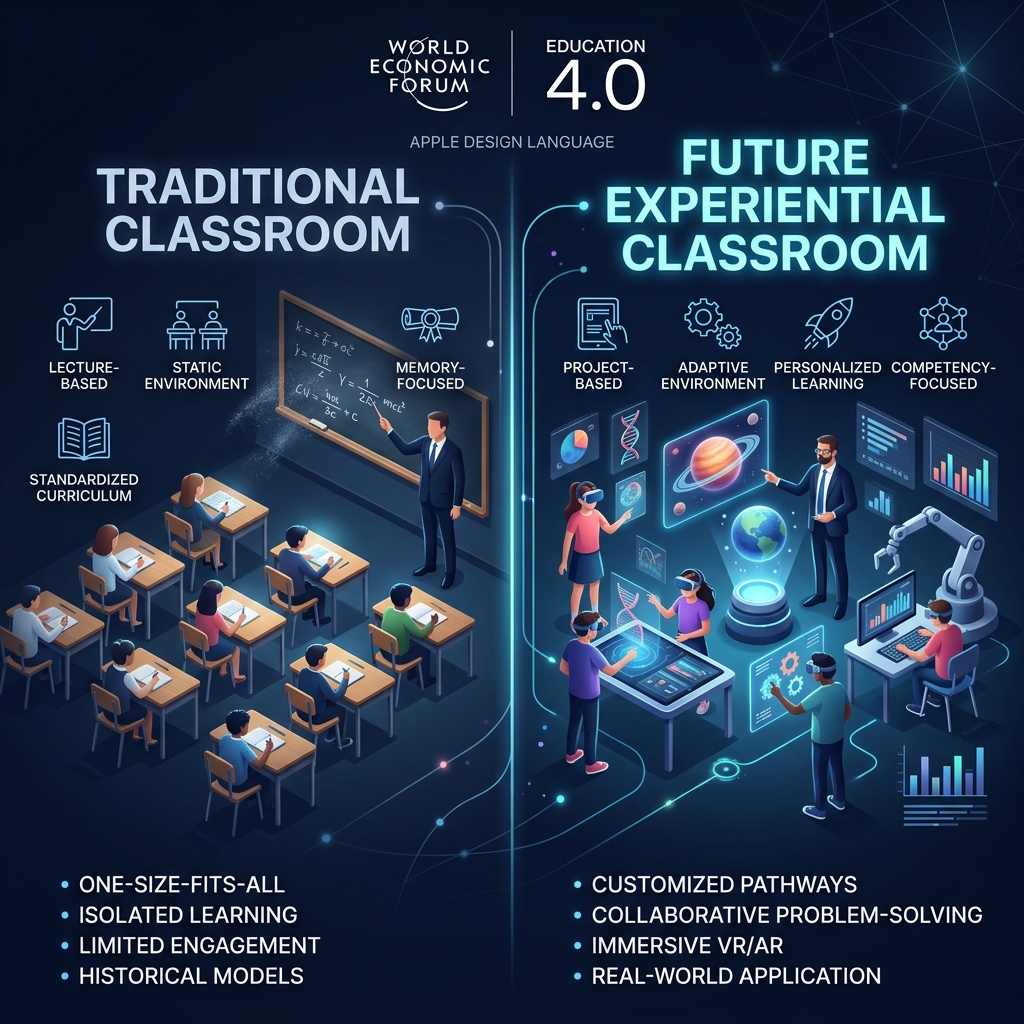
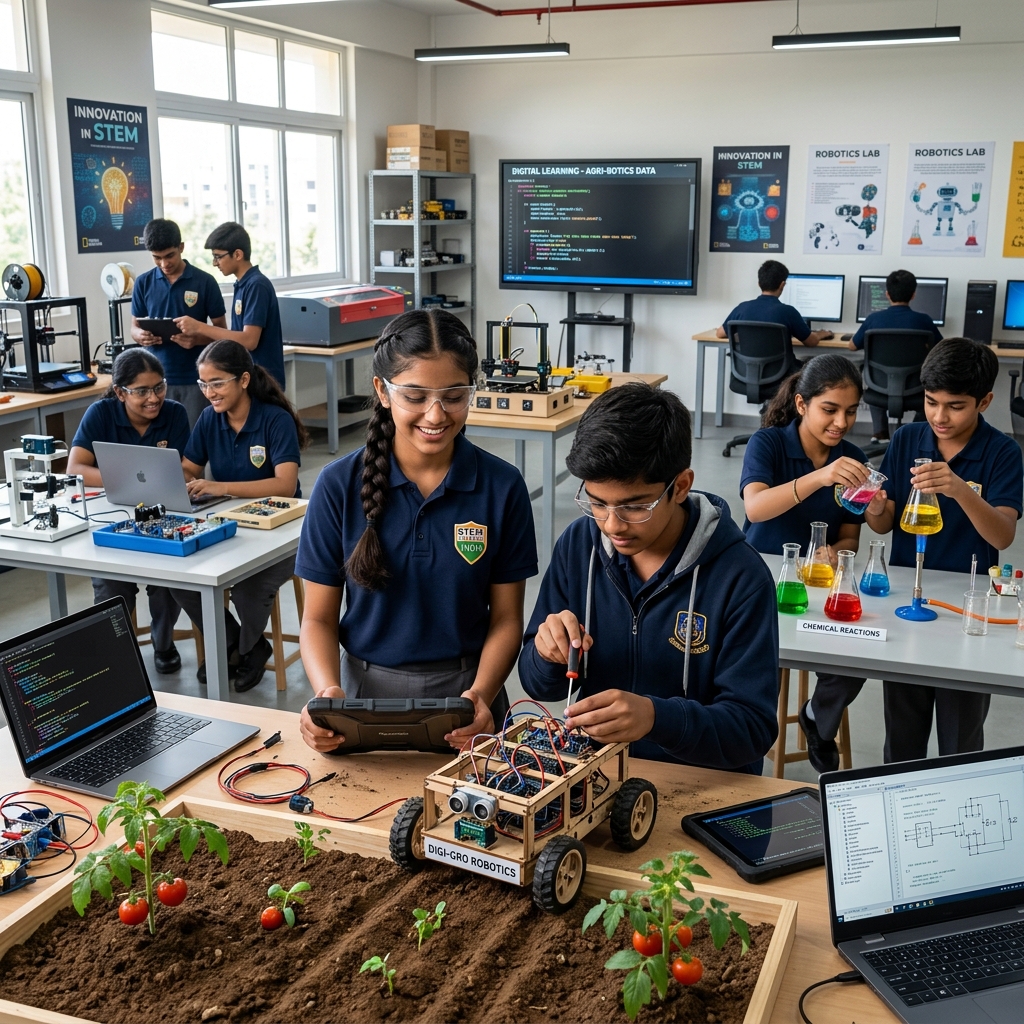
Upgrading government schools with hands-on maker spaces and offline-friendly coding platforms.
Rajasthan
Supporting weaver collectives with modern color palettes, design skilling, and direct e-commerce pipelines.
Maharashtra
Helping women's self-help groups digitize ledger records, standardize processing quality, and register formal businesses.
Our Vision for Rural Development
We work to ensure that by 2035 rural districts can support local entrepreneurs, standardized artisan brands, food processing collectives, and digital enterprises.
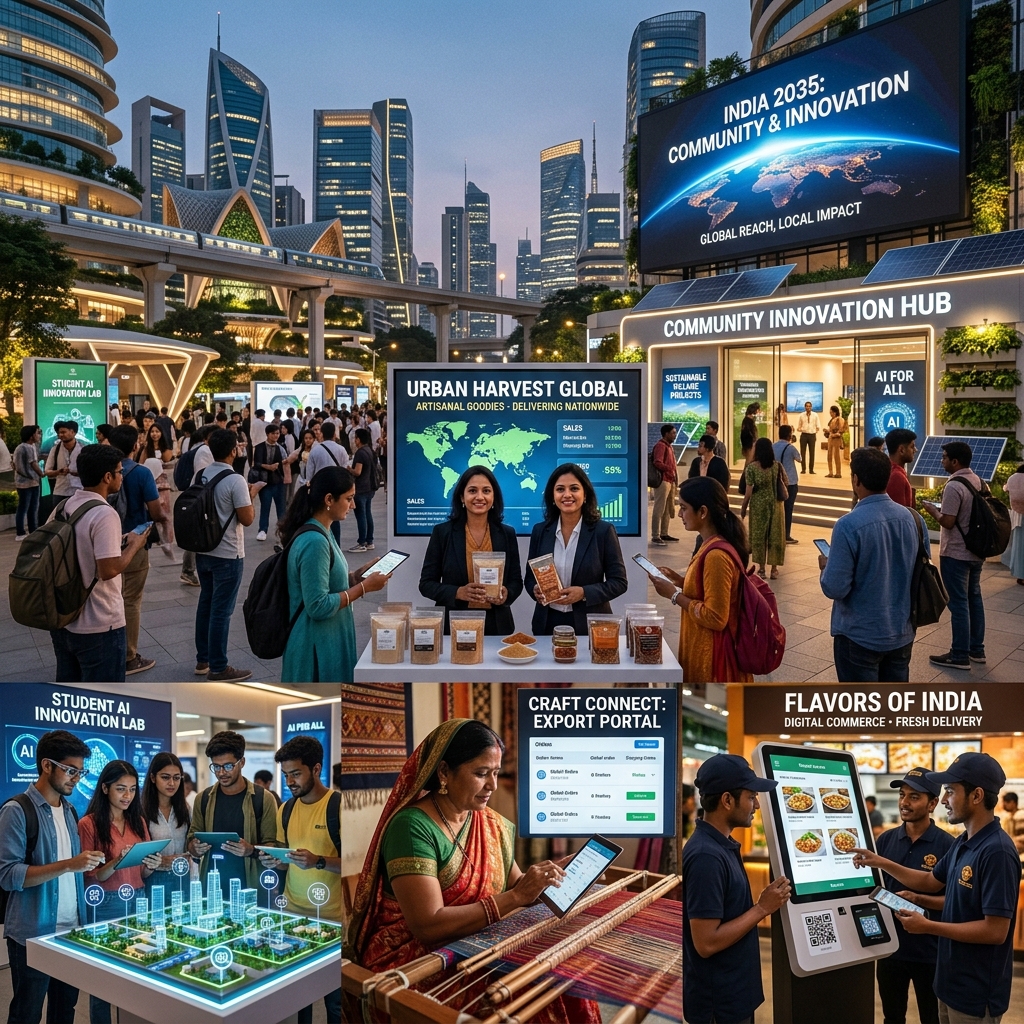
The Digitally Unified Cooperative
An integrated development model containing solar-powered processing labs, craft design hubs, and e-commerce packaging centers.
“The future of skill development is not training people for jobs. It is empowering communities to create prosperity.”
Real economic progress occurs when skilling, capital, and direct market access operate together to support local entrepreneurship.
Models & Lessons from India's Leading Cooperatives
We study and adapt successful implementation strategies from India's leading cooperatives and foundations to design scalable skilling and enterprise programs.
Amul
Amul demonstrated how coordinating small-scale rural producers into a unified cooperative network secures stable incomes. Their model proves that linking local production with centralized processing and national branding creates long-term rural prosperity.
Adaptable model for large-scale district implementations.
Livelihood & Skilling Q&A
Answering common questions about market-linked skilling, cooperative development, and rural micro-enterprises.
Ready To Build FutureReady Skills™ Ecosystems?
Partner with our program architects, technical facilitators, and marketing managers to implement outcome-linked skilling and livelihoods programs.