
The FutureReady District™
Reimagining Rural India For The Age Of Artificial Intelligence
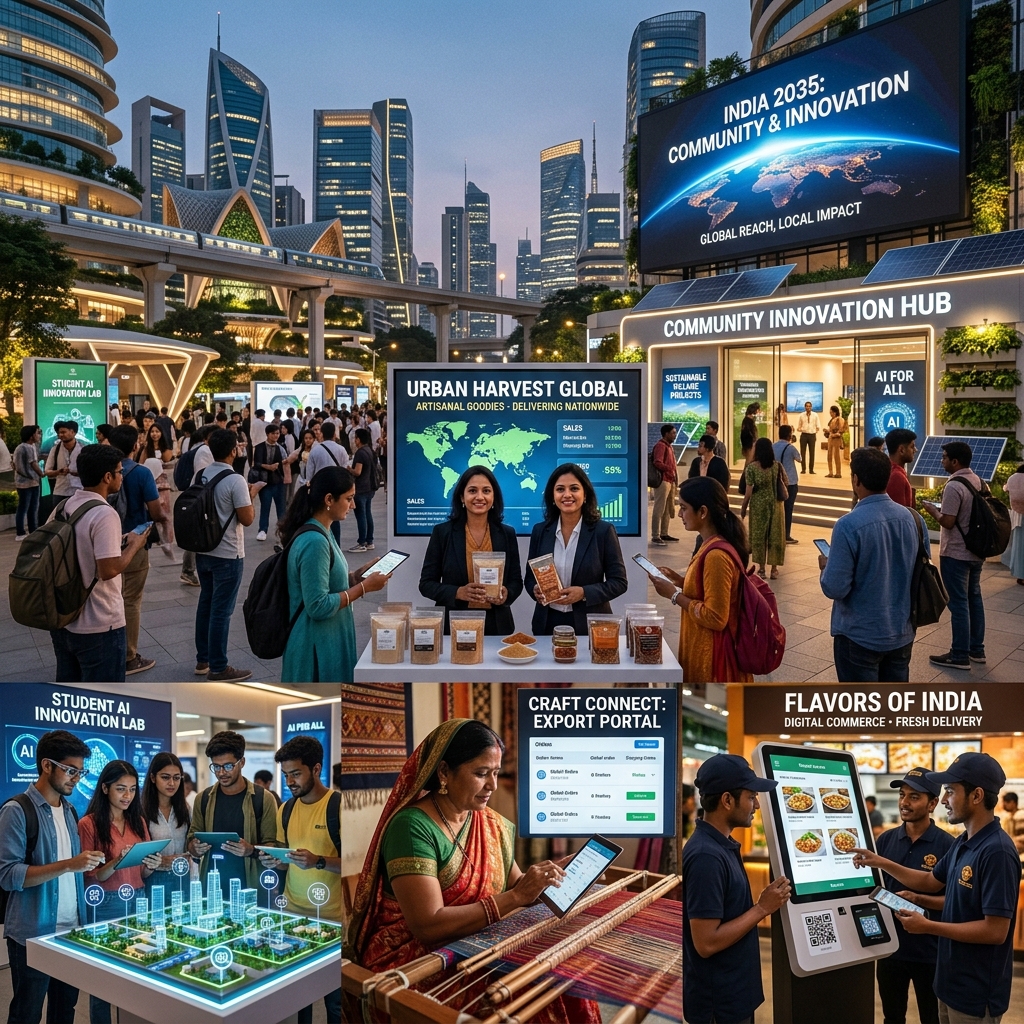
The next chapter of India's development story will not be written in its metros. It will be written across its 700+ districts.
District-Level Economic Systems
Past development models focused on centralized national planning. Our model coordinates development at the district level, aligning programs with local resources and culture to drive sustainable growth.
The foundational administrative units of development and local economic coordination.
The proportion of India's population living and working in rural areas.
Our first unified program integrating schools, skills, and marketplaces in single blocks.
Reinvesting revenues back into local health, education, and digital access.
Why Siloed Projects Fail to Create Value
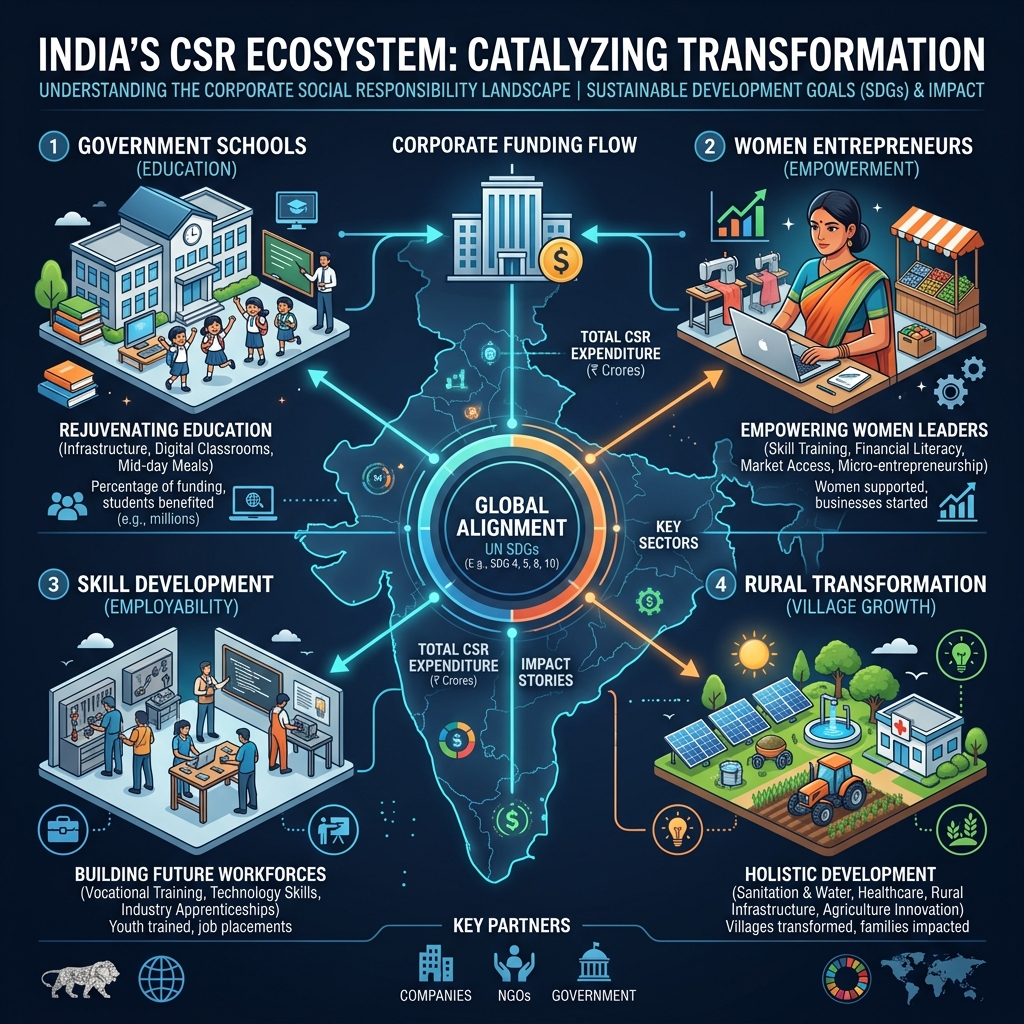
Traditional programs operate in isolation—schools receive funding without digital tools, and self-help groups make products without access to active markets.
Siloed Development Model
Isolated School Support
Funding classrooms without upgrading skills, leaving graduates with few local employment options.
Training Without Markets
Teaching standard skills without verifying buyer demand, leaving certified youth unemployed.
Disconnected SHG Livelihoods
Supporting micro-production while ignoring FSSAI licensing and modern packaging.
Fragmented CSR Spending
Funding short-term projects that fail to build long-term local capacity.
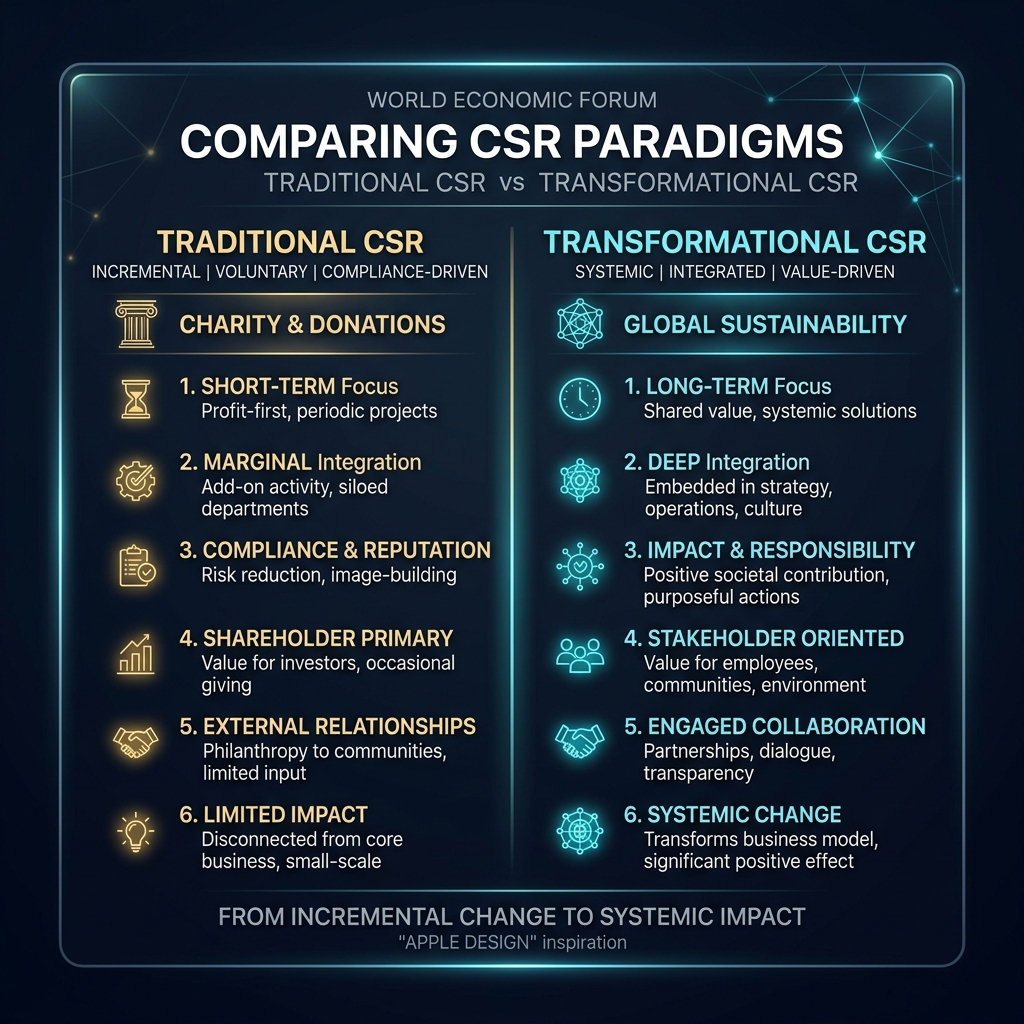
FutureReady District Model
Unified School Upgrades
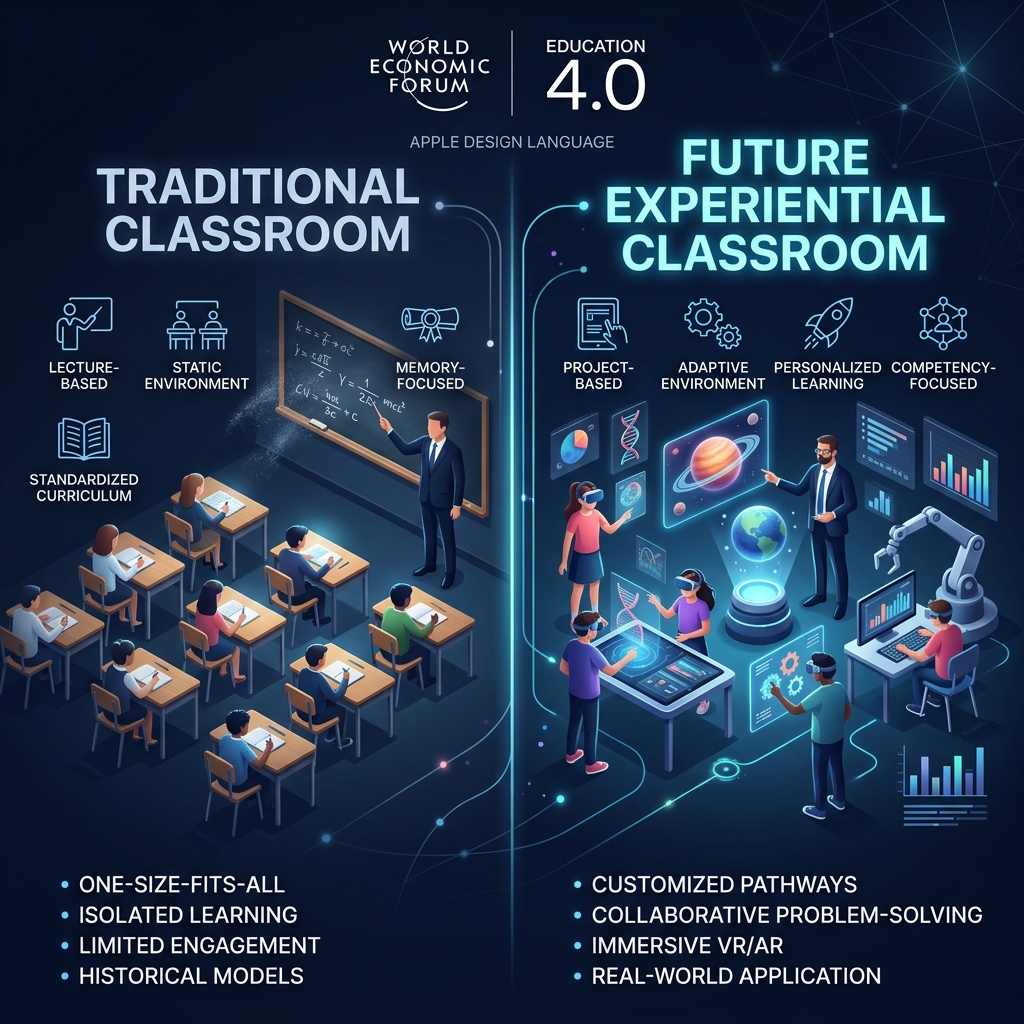
Equipping classrooms with maker spaces, robotics, and offline-friendly coding platforms.
Market-Linked Skilling
Aligning vocational programs directly with verified buyer demand and e-commerce pipelines.
Coordinated Brand Creation
Helping self-help groups (SHGs) establish regional food and craft brands.
Integrated ESG Telemetry
Tracking district-wide metrics on a central, transparent Impact Dashboard™.
The Unified District Model
Our model connects schools, skilling hubs, women's self-help groups, artisan clusters, and agricultural processing units into a single tracked database.
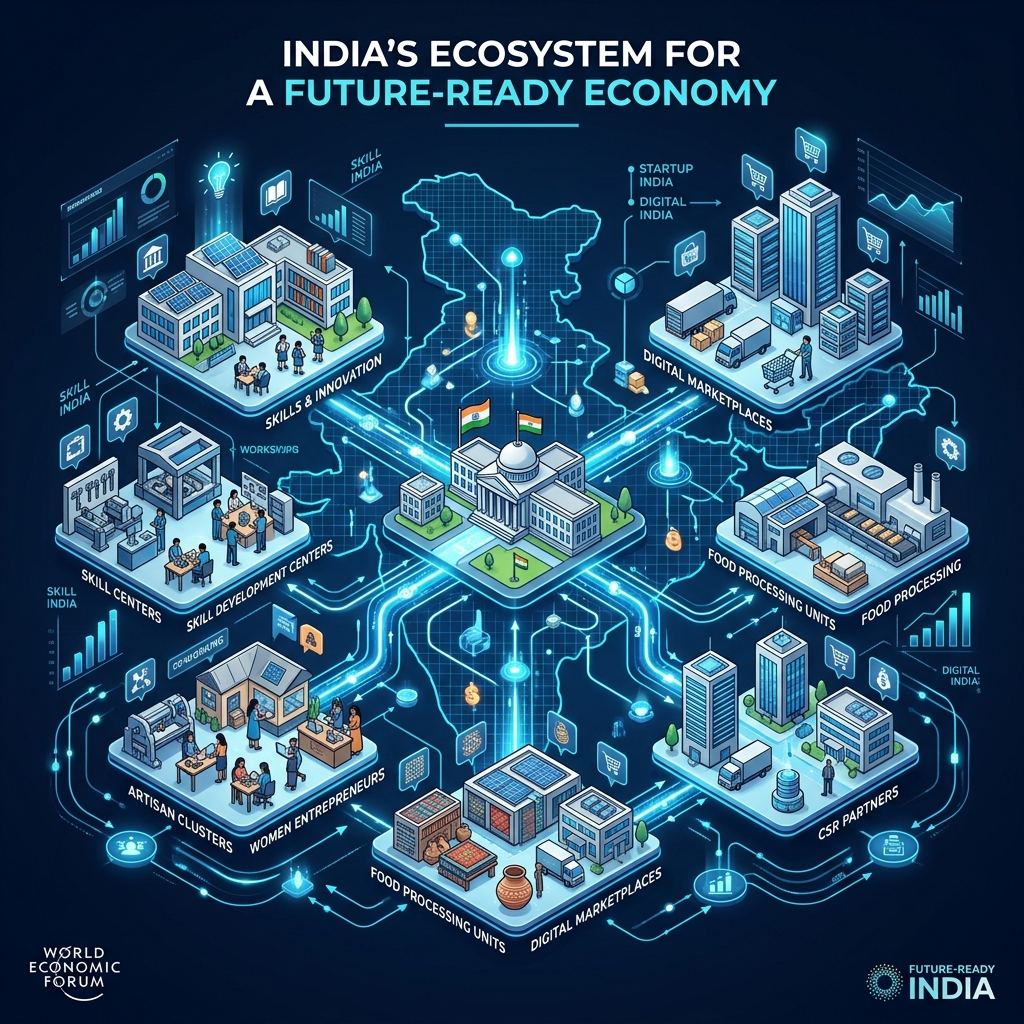
FutureReady Schools™
STEM & AI Literacy
Equipping public high schools with computer labs, coding tools, and hands-on maker spaces.
FutureReady Skills™
Market-Linked Training
Teaching digital bookkeeping, brand development, and e-commerce inventory management.
FutureReady Women™
SHG Micro-Enterprises
Helping women's self-help groups digitize ledger records and register formal businesses.
FutureReady Markets™
Direct E-Commerce Access
Connecting artisan cooperatives directly with urban buyers on platforms like RajasthaniHaat.com.
FutureReady Foodpreneurs™
Value-Added Processing
Helping food collectives set up solar-powered processing labs and secure FSSAI licensing.
Impact Dashboard™
Real-Time Project Tracking
Tracking verified student learning outcomes, business revenues, and SDG metrics.
STEM & AI Literacy in Government Classrooms
We equip public high schools with maker spaces, robotics modules, and offline-friendly coding tablets, preparing youth for the artificial intelligence economy.
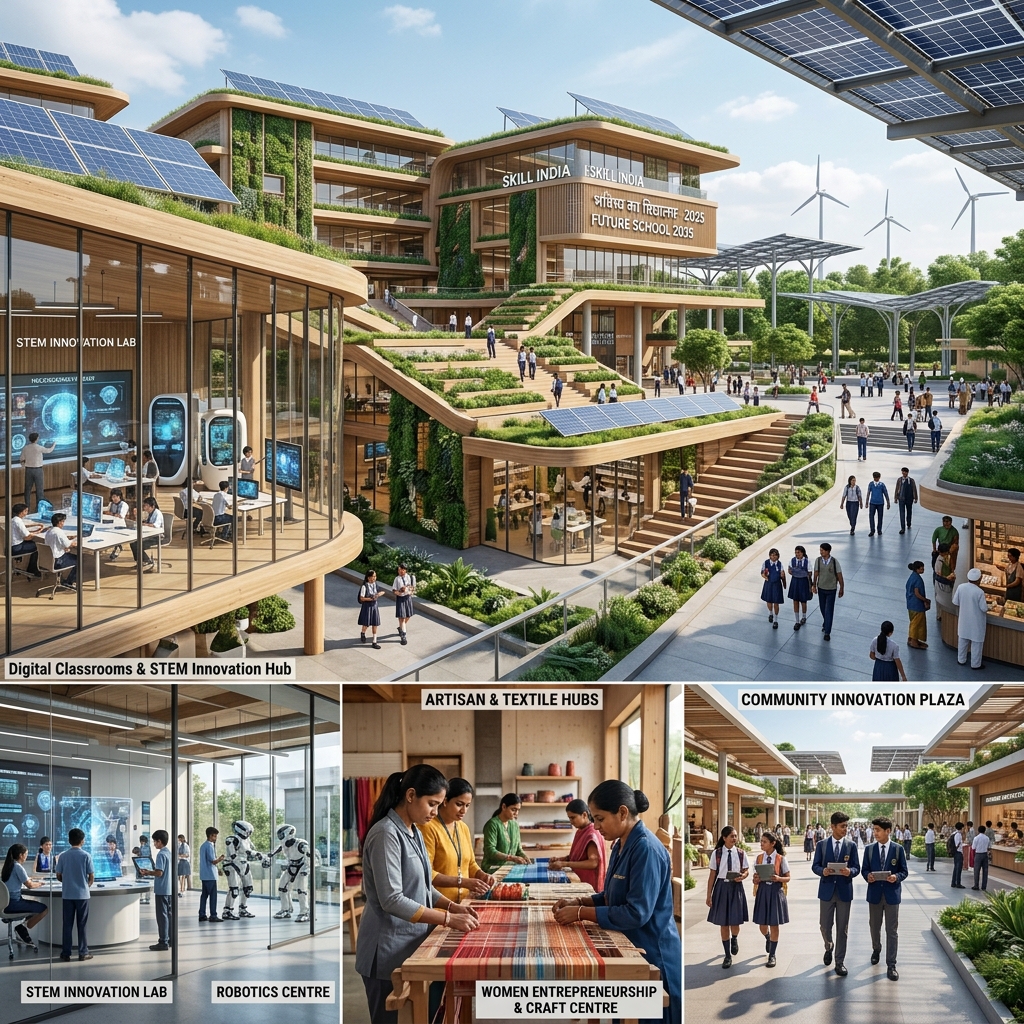
Students using coding platforms and AI modules in upgraded government classrooms.
Skilling for Remote Work & Digital Businesses
Our training goes beyond basic certifications. We skill youth in digital bookkeeping, social media marketing, and data annotation, preparing them for remote work opportunities.
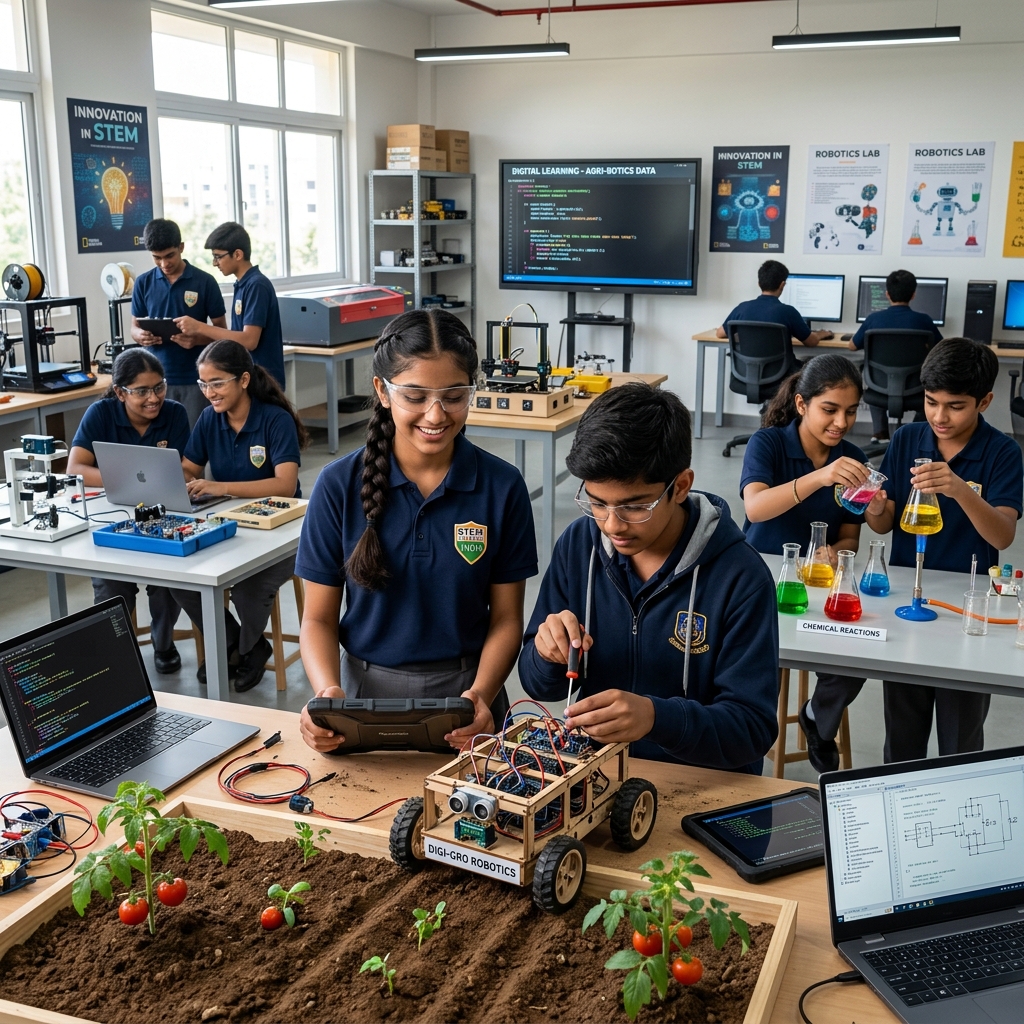
Students learning modern design software and programming principles.
Transitioning SHGs to Modern Enterprises
We help women-led self-help groups (SHGs) standardize quality, secure certifications, and utilize digital ledger systems, enabling them to operate as formal commercial businesses.
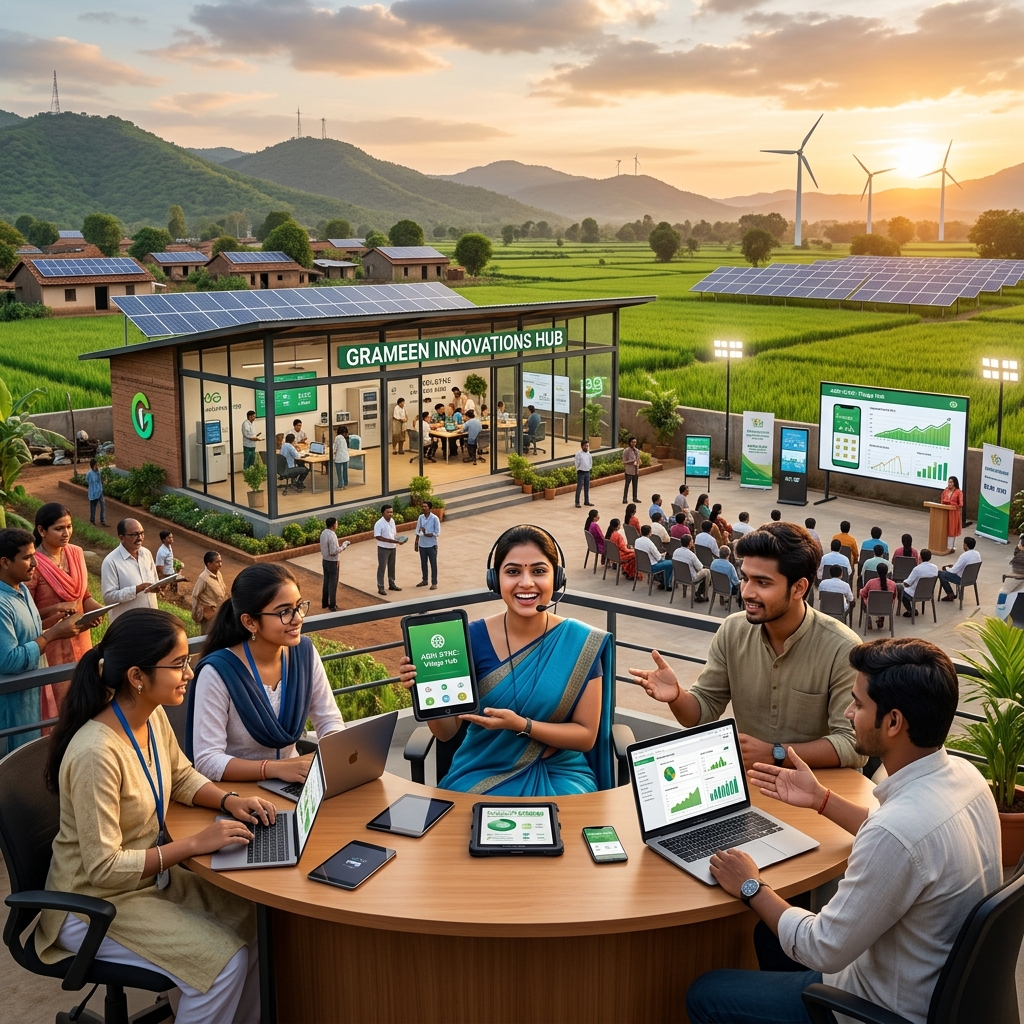
Women cooperative managers tracking transaction histories on mobile bookkeeping interfaces.
Design Modernization & Direct Craft Access
We connect traditional craft clusters in Odisha, Rajasthan, and Maharashtra with modern design tools and e-commerce platforms like RajasthaniHaat.com, bypassing middlemen.
Weavers in Rajasthan implementing ergonomic looms and modern color guidelines.
Scaling Agricultural Processing Units
We help women-led collectives establish community kitchens, secure FSSAI licensing, and packaging design, selling spices and regional foods on TalesOfSpices.com.
Women self-help group members packaging organic spices in regional processing hubs.
District-Wide Impact Tracking
Our central dashboard tracks verified student learning outcomes, lab utilization rates, new business registrations, and cooperative revenues to provide transparent reports.
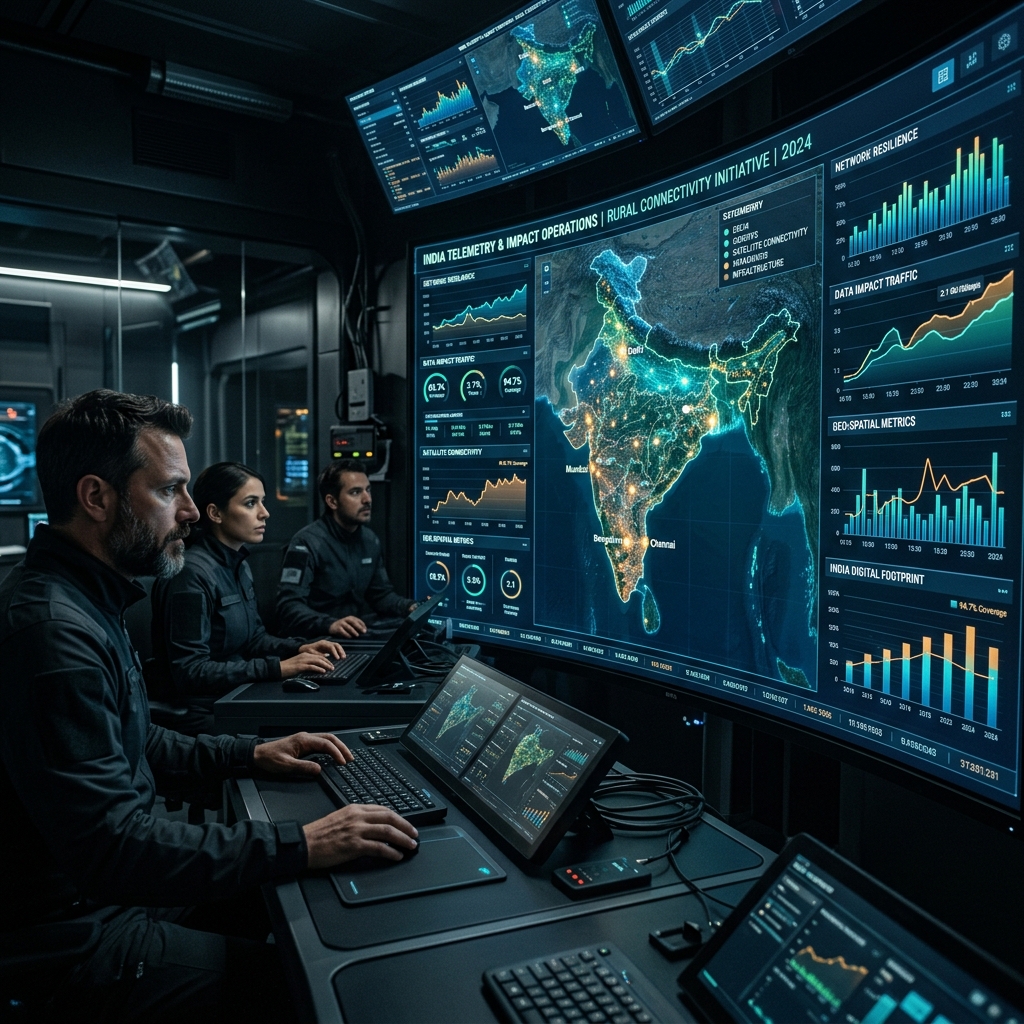
Our live dashboard interface tracking learning metrics, SHG transaction history, and export volumes.
Odisha: Reimagining District Livelihoods
We are launching our first unified program in Odisha, partnering with state departments and block education officers to upgrade 5 high schools, establish food processing centers, and connect weavers with direct markets.
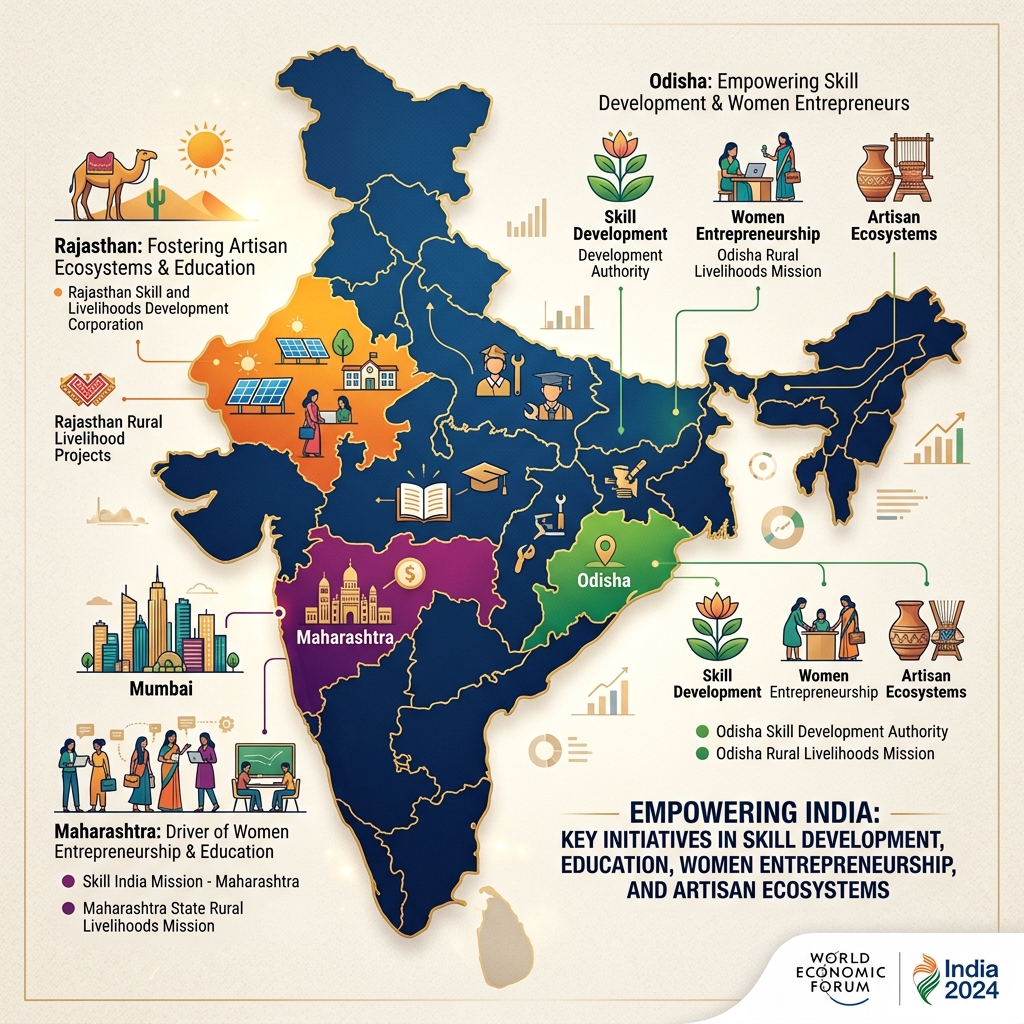
Our Vision for Rural Development
We work to ensure that by 2035 rural districts can support local entrepreneurs, standardized artisan brands, food processing collectives, and digital enterprises.
The Digitally Unified Cooperative
An integrated development model containing solar-powered processing labs, craft design hubs, and e-commerce packaging centers.
“The future of India will not be built by isolated projects. It will be built by connected ecosystems.”
Real economic progress occurs when skilling, capital, and direct market access operate together to support community entrepreneurship.
Models & Lessons from Leading Cooperatives & Nations
We study and adapt successful implementation strategies from India's leading cooperatives and digital-first nations to design district transformation programs.
Kerala's Kudumbashree
Kudumbashree organized millions of women into neighborhood groups, transitioning them into agriculture processing and community cafes, proving that state-supported collective programs can scale.
Adaptable model for large-scale district implementations.
FutureReady District Q&A
Answering common questions about market-linked skilling, cooperative development, and rural micro-enterprises.
Ready To Build India's First FutureReady District™?
Partner with our program architects, state planners, and corporate foundation sponsors to coordinate block-level district implementations.