

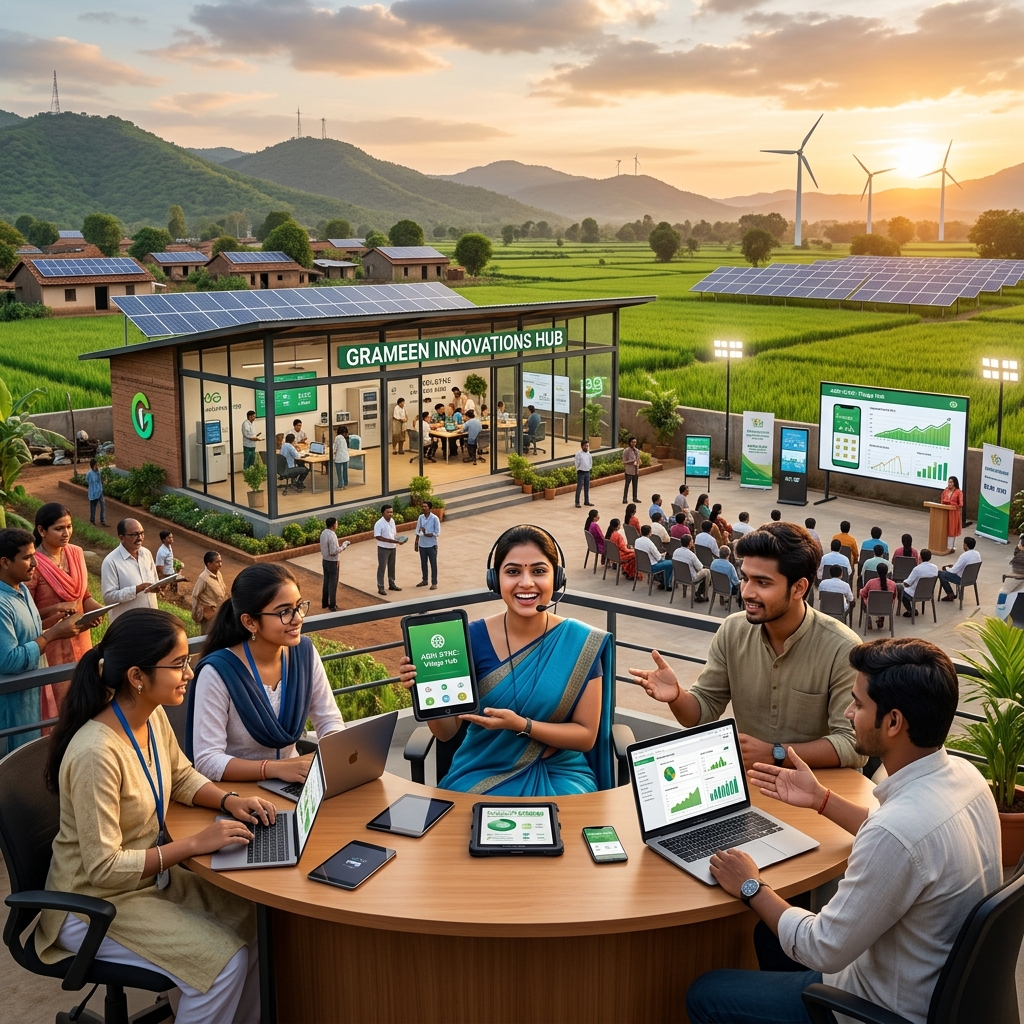
Why Food Entrepreneurship Is India's Largest Untapped Rural Opportunity
How India's Villages Can Build The Next Generation Of Food Brands
The next great food brands of India may not emerge from corporate boardrooms. They may emerge from village kitchens.
The World's Largest Food Startup Ecosystem
India's home food economy is massive, supported by a network of over 9 million self-help groups. Transitioning these groups from raw crop sales to value-added food processing allows communities to capture higher profit margins.
The total number of rural women self-help groups operating across India.
Estimated national market size for processed foods, representing a major rural pipeline.
The proportion of horticultural harvests lost due to a lack of local cold chain or processing units.
The average margin increase achieved by processing raw crops into packaged food brands.
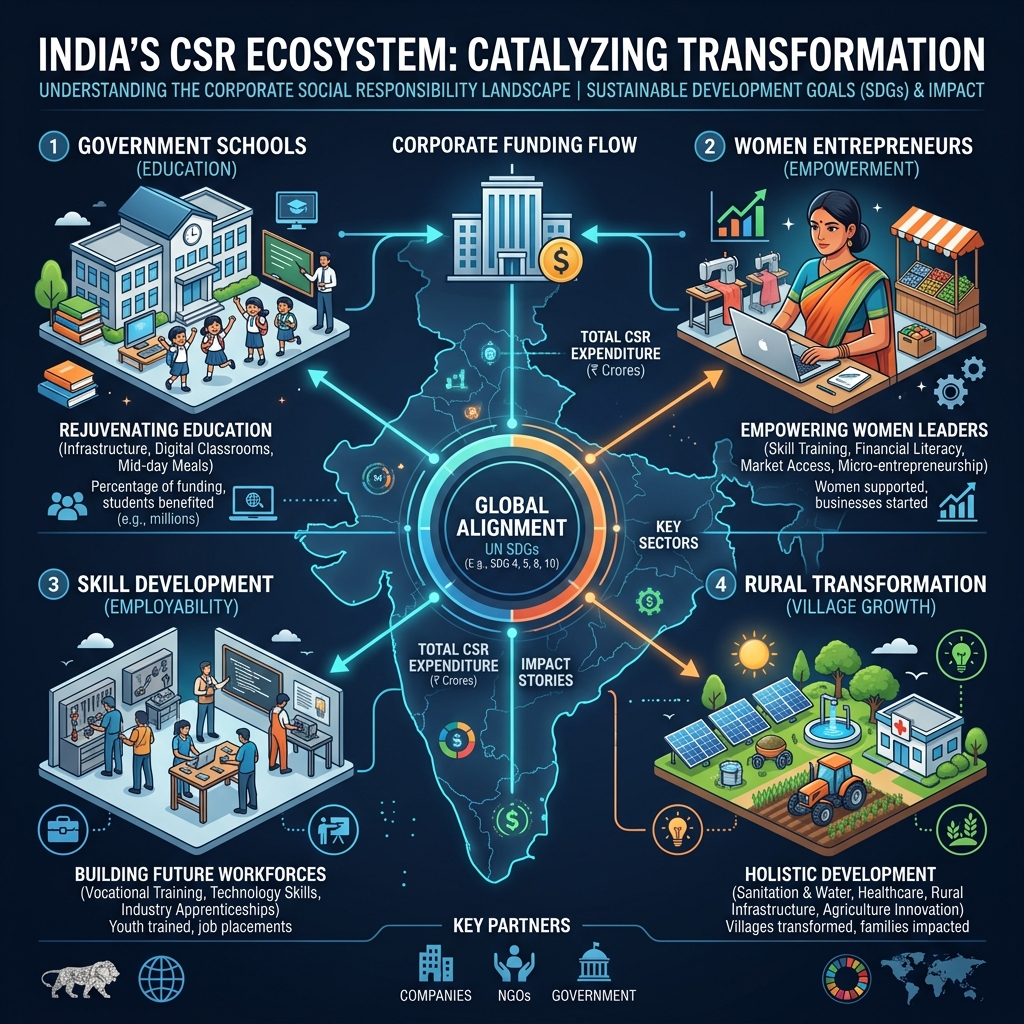
Addressing Gaps in Traditional Livelihood Programs
Traditional programs often focus on cooking classes alone, neglecting brand assets, FSSAI licensing, modern packaging, and e-commerce marketing pipelines.
Traditional Livelihood Program
Technical Skills Only
Teaching raw cooking or pickling steps without covering business design, quality control, or packaging standards.
No Brand Strategy
Selling products in plain plastic bags without logos, barcodes, or custom labels.
Local Traders Control Sales
Selling to local traders at wholesale prices, losing out on consumer margins.
Zero Food Safety Support
Leaving collectives without help to secure FSSAI licensing or nutritional lab tests.
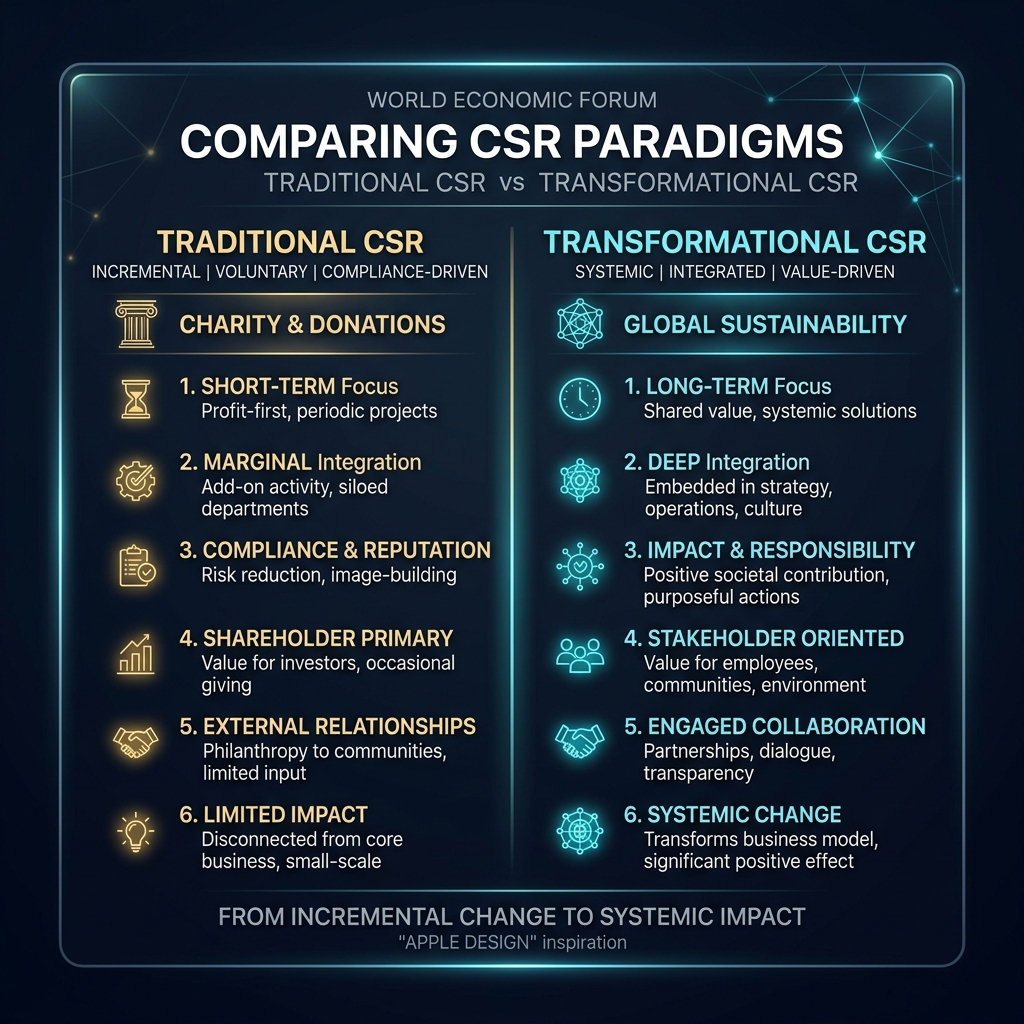
Brand-Led Foodpreneurship
Market-Linked Production
Standardizing output quality to match regional specialties, modern packaging, and consumer preferences.
Premium Brand Assets
Developing premium brand identities, custom labels, and securing organic and FSSAI certifications.
Direct-to-Consumer Channels
Selling products directly to urban buyers on e-commerce platforms like TalesOfSpices.com.
Bank Credit Integration
Building digital transaction histories to qualify for bank loans and scale community processing hubs.
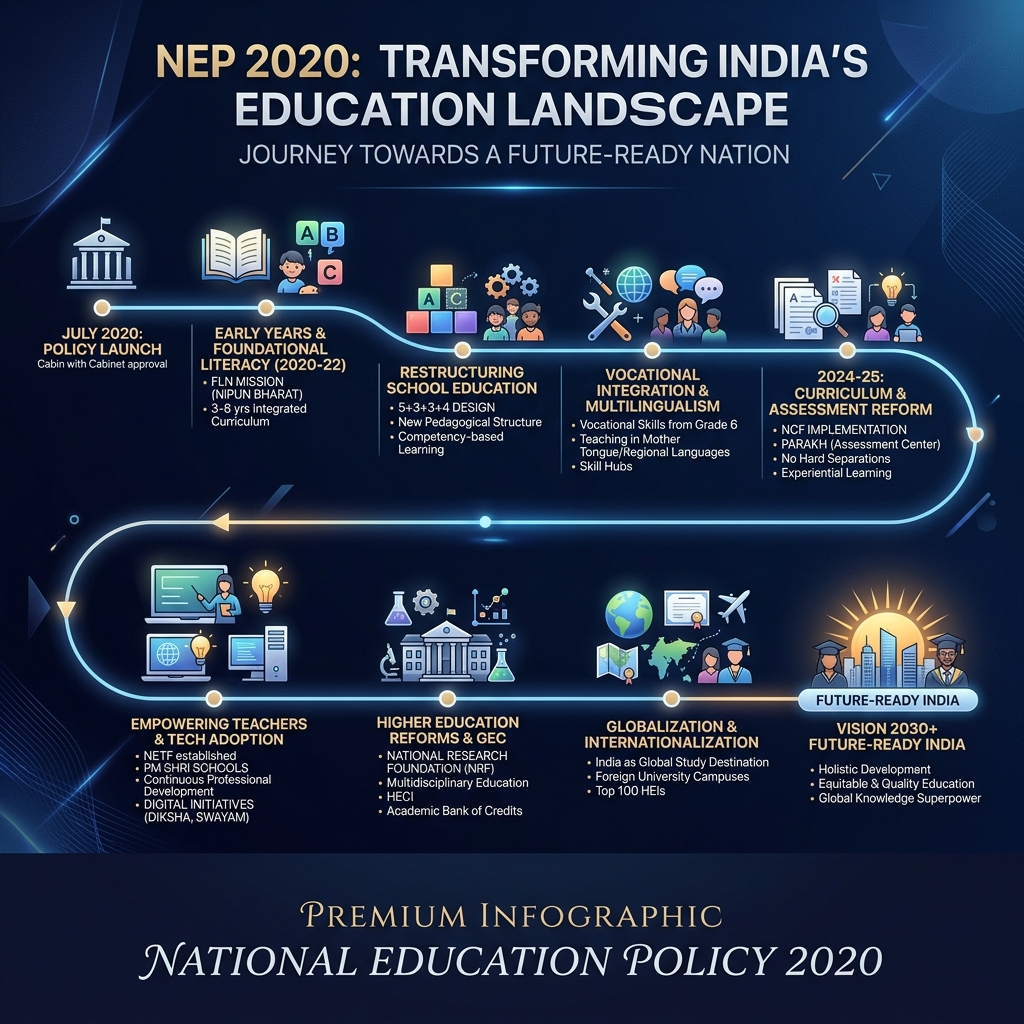
The Evolutionary Journey of the Foodpreneur
We guide rural women from preparing simple home meals (Cook) toward modern recipe standardization, FSSAI licensing, packaging design, and cooperative brand leadership (Business Leader).
1. The Cook
Basic Meal Preparation
The cook operates as an informal domestic worker, preparing meals based on traditional recipes without monitoring ingredient costs or selling margins.
2. The Producer
Local Volume Processing
Processing larger quantities of pickles, spices, or snacks to sell to neighbors and local weekly village markets.
3. The Entrepreneur
Standardizing Recipes & Costs
Standardizing ingredients and processing steps to secure FSSAI licensing and manage basic business ledgers.
4. The Brand Founder
Custom Packaging & Brand Assets
Collaborating with designers to create custom logos and modern packaging, launching local specialties on digital channels.
5. The Business Leader
Centralized Cooperative Scaling
Leading community processing centers, managing national e-commerce orders, and directing regional cooperative growth.
Storytelling & Premium Brand Development
Traditional regional specialties require more than just technical preservation. By modernizing packaging, brand storytelling, and e-commerce listings, cooperatives can position their products as premium consumer goods.
Premium organic stone-ground spices packaged with customized brand narratives.
Scaling Women-Led Community Kitchens
We focus our training on women-led self-help groups, helping them set up solar-powered processing labs, standardize recipes, secure food safety certifications, and connect with direct e-commerce selling pipelines.
Women self-help group members packaging organic spices in regional processing hubs.
State Focus Areas: Food Livelihoods
We focus our programs in Odisha, Rajasthan, and Maharashtra, aligning our training modules with regional food specialties, GI products, and self-help group priorities.
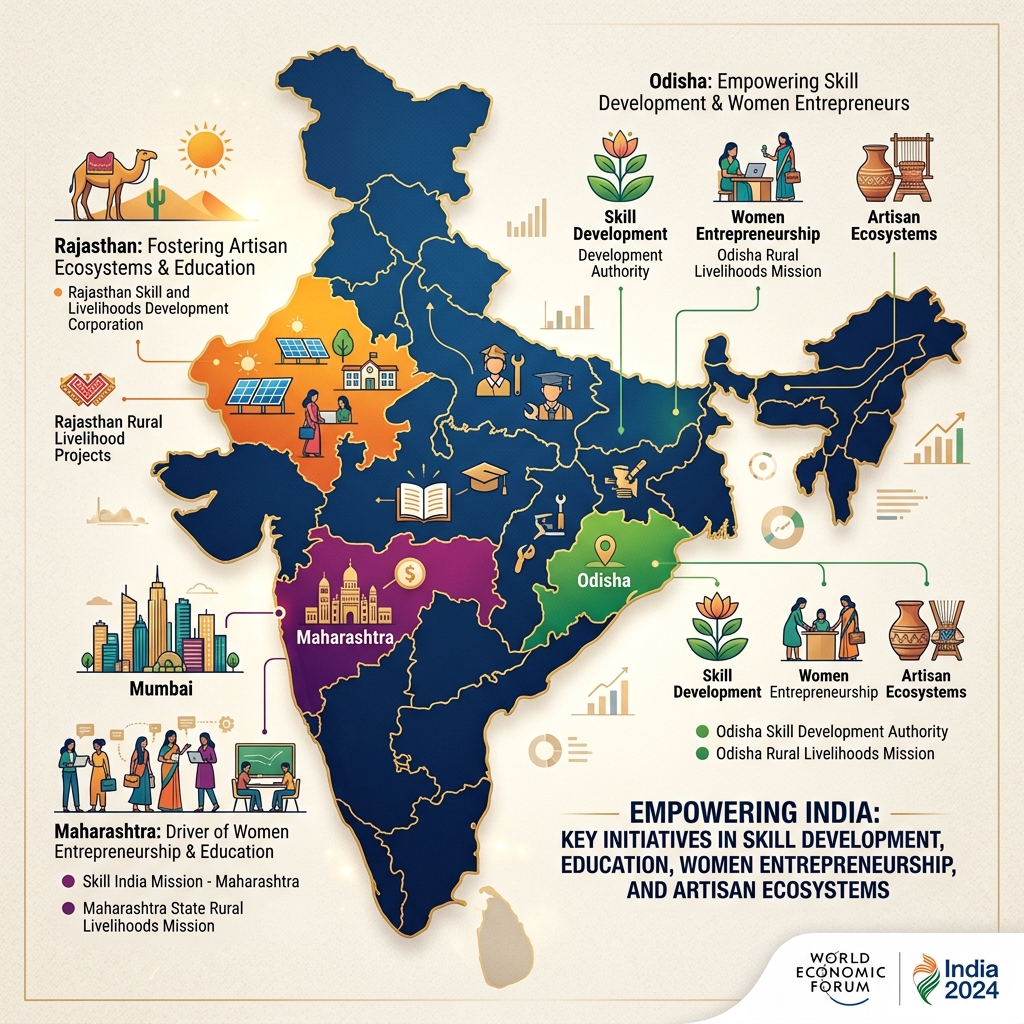
Odisha
Upgrading government schools with hands-on maker spaces and offline-friendly coding platforms.
Rajasthan
Supporting weaver collectives with modern color palettes, design skilling, and direct e-commerce pipelines.
Maharashtra
Helping women's self-help groups digitize ledger records, standardize processing quality, and register formal businesses.
The Tales of Spices E-Commerce Pipeline
We coordinate food processing and packaging training through seven development phases, connecting farming groups directly with premium market sales.
1. Learn
Modern recipe & hygiene principles.
2. Create
Processing raw harvests locally.
3. Standardize
FSSAI compliance & weight metrics.
4. Package
Eco-friendly, durable packaging design.
5. Brand
Creating custom logo and story assets.
6. Sell
Listing on e-commerce channels & ONDC.
7. Scale
Building transaction history for bank credit.
Connecting Rural Foodpreneurs to Global Buyers
Supporting women-led self-help groups with digital literacy, mobile bookkeeping software, and WhatsApp Business training allows them to sell directly on e-commerce channels and ONDC.
Women cooperative managers tracking transaction histories on mobile bookkeeping interfaces.
Introducing FutureReady Foodpreneurs™
Our centerpiece model coordinates digital logic, agricultural processing, and brand design, providing rural women with verified economic opportunities.
Standardized Recipe Scaling
Upgrading processing capabilities, solar-powered dehydrator operations, and product quality standardization.
FSSAI Compliance & Registration
Securing food safety licensing, ingredient laboratory tests, and shelf-life verification.
Brand & Packaging Design
Helping collectives modernize product palettes, product photography, and packaging design.
Direct E-Commerce Integration
Connecting artisan and food cooperatives directly to national retail pipelines via RajasthaniHaat.com and TalesOfSpices.com.
Centralized tracking connecting women-led enterprises, packaging hubs, and marketplaces.
Our Vision for Rural Livelihoods
We work to ensure that by 2035 rural districts can support local entrepreneurs, standardized artisan brands, food processing collectives, and digital enterprises.
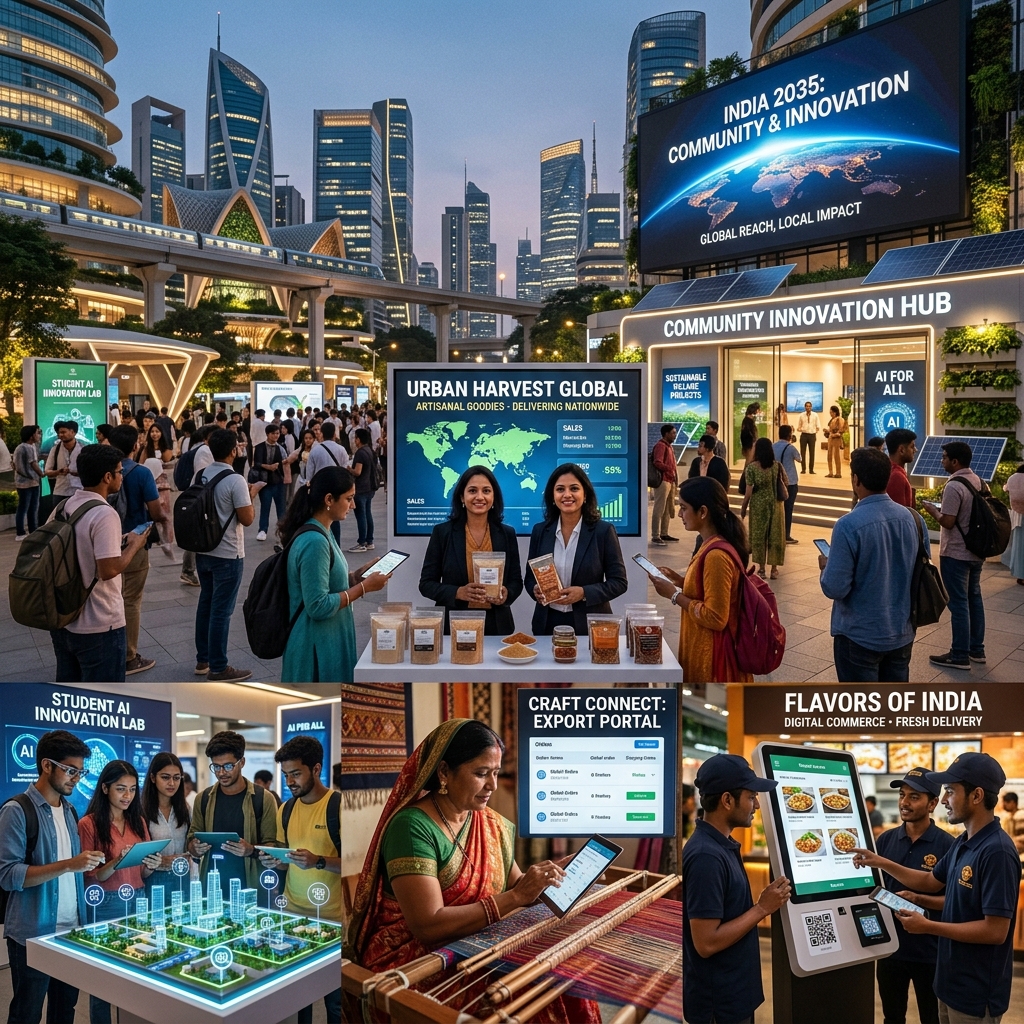
The Digitally Unified Cooperative
An integrated development model containing solar-powered processing labs, craft design hubs, and e-commerce packaging centers.
“The future of India's food economy will be built not by factories alone, but by millions of entrepreneurs creating brands rooted in culture, community and trust.”
Real economic progress occurs when skilling, capital, and direct market access operate together to support women-led food processing collectives.
Models & Lessons from India's Leading Food Brands & Cooperatives
We study and adapt successful implementation strategies from India's leading cooperatives and foundations to design foodpreneur and livelihood programs.
Amul
Amul demonstrated how coordinating small-scale rural producers into a unified cooperative network secures stable incomes. Their model proves that linking local production with centralized processing and national branding creates long-term rural prosperity.
Adaptable model for large-scale district implementations.
Food Livelihoods & Processing Q&A
Answering common questions about market-linked skilling, cooperative development, and rural micro-enterprises.
Ready To Build India's Next Generation Of Food Entrepreneurs?
Partner with our program architects, technical facilitators, and marketing managers to implement outcome-linked food processing programs.